**Kenya Traders Face Fuel Shortage Warning**
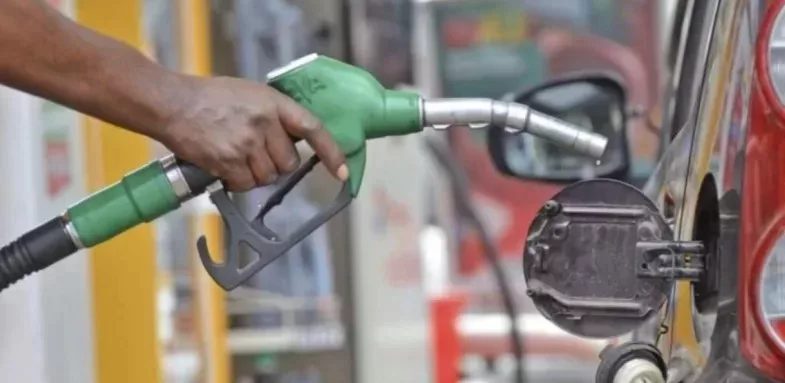
Kenya now confronts the imminent threat of fuel scarcity, a crisis precipitated by independent petroleum dealers' ultimatum to cease procuring products from Oil Marketing Companies (OMCs) in protest of contentious wholesale pricing.
The Petroleum Outlets Association of Kenya (POAK) and the Kenya Independent Petroleum Dealers Association (KIPEDA) have leveled accusations against certain Oil Marketing Companies (OMCs), alleging that they are dispensing fuel to independent retailers at rates exceeding the maximum wholesale price ceilings established by the Energy and Petroleum Regulatory Authority (EPRA).
These industry bodies contend that such pricing practices are severely eroding their profit margins, thereby creating a precarious operational environment where dealers struggle to replenish their inventories without violating the mandated retail price structures.
This controversy stems from EPRA's pricing declaration issued on October 14, governing the supply cycle from October 15 through November 14.
In Nairobi, the maximum wholesale rates were fixed at KSh211.80 per litre for super petrol, KSh212.60 for diesel, and KSh204.79 for kerosene.Consequently, the corresponding maximum retail prices were established at KSh226.96, KSh227.76, and KSh219.87 respectively.
Independent retailers contend that procuring fuel at prices exceeding wholesale thresholds severely constrains their ability to offset operational expenditures.
Consequently, they have urged their members to halt acquisitions from vendors pricing above the regulated ceilings and have petitioned both EPRA and the State Department for Petroleum to intervene.
This alert carries significant weight given the pivotal role independent stations play within Kenya's fuel distribution network, especially in smaller towns and regions where the presence of major oil corporations is limited.
As The Star reported, these independent outlets constitute up to 68 percent of all fuelling points and are responsible for distributing approximately 40 percent of the industry's total volume.
Should the impasse persist and additional fuel stations exhaust their reserves, commuters may confront protracted queues, acute scarcity at the pumps, and escalated transportation expenditures.
Furthermore, enterprises reliant on road logistics could experience surging operational costs, a development that threatens to exert upward pressure on the pricing of essential goods and services.
At present, motorists ought to monitor the evolving dynamics among dealers, OMCs, and EPRA, with specific attention to whether the regulator's wholesale price ceilings will be upheld and if independent service stations revert to standard purchasing operations.
A prompt resolution to this impasse is crucial to avert the escalation of the dispute into broader supply chain disruptions.
Consequently, the pressing concern lies not in a fresh surge in national retail fuel prices, but rather in whether a conflict regarding wholesale pricing could obstruct the delivery of fuel to end-users.
Sources
Version 1.0. 54gist stories are edited before publication and updated as facts change. Spotted an error? Tell our editors.