US Security Alert for Nigeria Draws Attention from Diaspora
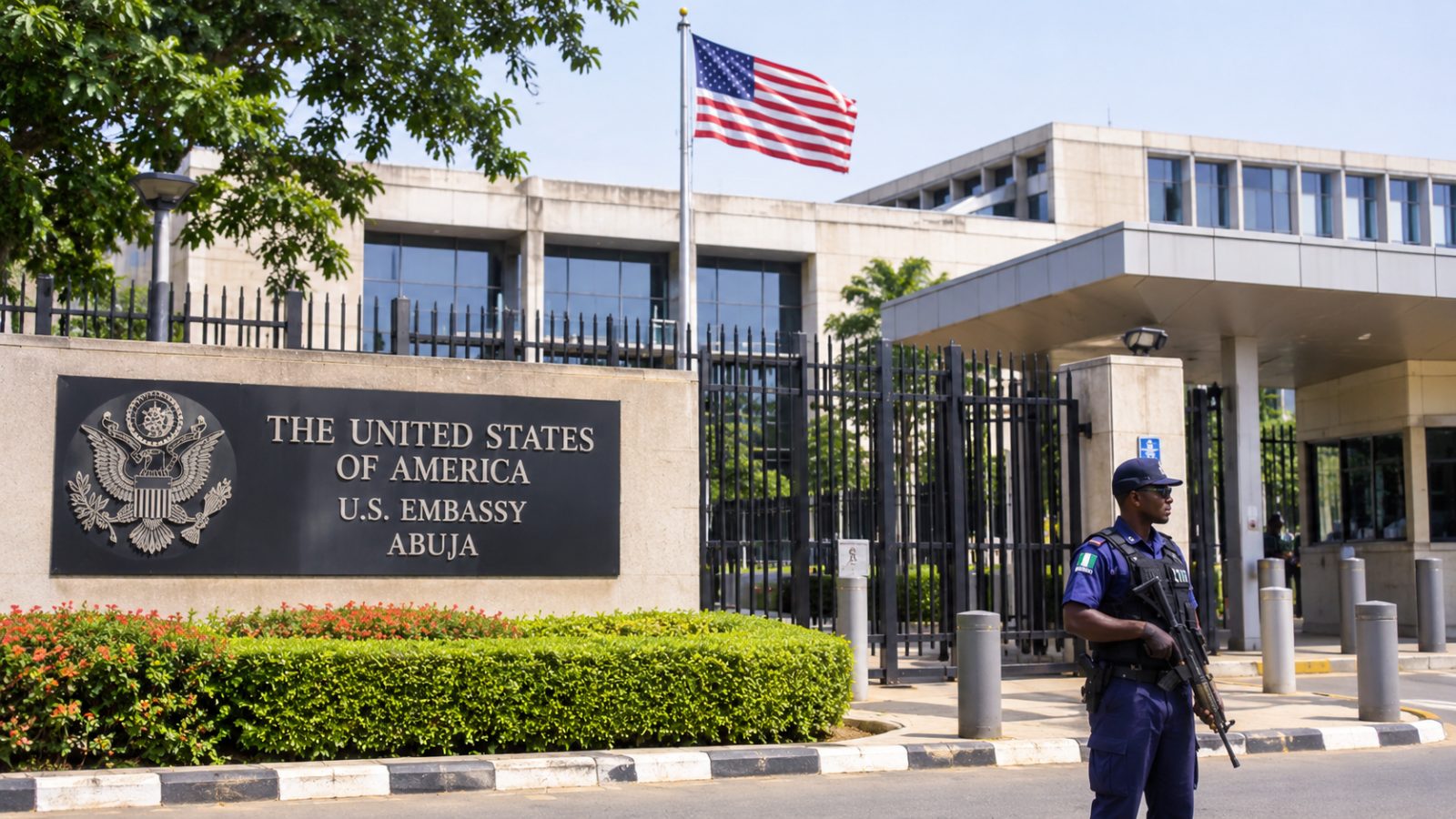
The United States has issued a security warning to its citizens in Nigeria over a possible terrorist threat targeting American facilities and US-affiliated schools. The alert has drawn attention from Nigerians living abroad, particularly those with family members, businesses and travel plans in the country.
The warning has also renewed discussions about Nigeria's security situation and the measures being taken to protect residents, visitors and diplomatic facilities.
What the US Warning Said
In a security alert issued on March 9, 2026, the US Embassy in Nigeria warned American citizens about a possible terrorist threat against US facilities and affiliated schools in the country.
According to the advisory, Americans were encouraged to exercise additional caution when visiting the US Embassy in Abuja, the US Consulate General in Lagos and US-affiliated schools.
The embassy advised its citizens to remain aware of their surroundings, avoid predictable routines, vary their travel routes and keep their mobile phones charged in case of emergencies.
It also encouraged Americans to review their personal security arrangements and monitor official embassy communication channels for further updates.
Importantly, the warning identified a potential threat; it did not announce that an attack had taken place.
Nigeria's Security Response
Following the US warning, attention turned to security arrangements around diplomatic facilities and other sensitive locations in Nigeria.
Nigerian authorities have the responsibility of protecting foreign missions, international institutions and members of the public. Increased security vigilance and patrols around important facilities are part of the broader response to potential threats.
The development also highlights the importance of cooperation between Nigerian security agencies and international partners, particularly in intelligence sharing and preventing security incidents.
While the US warning has raised concerns, it is important to avoid exaggerating the situation or suggesting that every part of Nigeria faces the same level of danger.
What Travellers and Families Should Know
For Nigerians living in the diaspora, the warning is a reminder to stay informed when planning visits home or making travel arrangements for relatives.
Families and travellers should take the following precautions:
- Check official travel advisories before travelling.
- Follow updates from the US Embassy and relevant Nigerian authorities.
- Stay alert in public places and around sensitive locations.
- Keep emergency contacts and important travel information accessible.
- Maintain communication with family members during trips.
- Avoid spreading unverified security reports on social media.
American citizens living in Nigeria should also follow the instructions issued through official embassy channels.
Why the Alert Matters to the Diaspora
For many Nigerians abroad, news of a possible security threat at home can create concern, especially among parents, students, business owners and families with relatives in the country.
However, security advisories should be understood in their proper context. A warning about a possible threat does not automatically mean an attack is imminent or that all Nigerian cities are equally affected.
The best response is to remain calm, seek information from credible sources and follow official safety guidance.
Conclusion
The US security alert has brought renewed attention to the importance of public safety and diplomatic security in Nigeria.
As the situation develops, travellers, residents and families in the diaspora should rely on verified information rather than rumours. Continued cooperation between Nigerian authorities and international partners will remain important in addressing security concerns and protecting lives.
Version 1.0. 54gist stories are edited before publication and updated as facts change. Spotted an error? Tell our editors.