Russia Looks to Expand African Trade as Grain Supplies Remain a Major Concern
Trade and food supplies dominate Russia Africa talks Russia has renewed its push to strengthen trade with African countries, with grain supplies and agricultural cooperation taking centre stage at its latest summit with…
#Trade and food supplies dominate Russia#
Africa talks
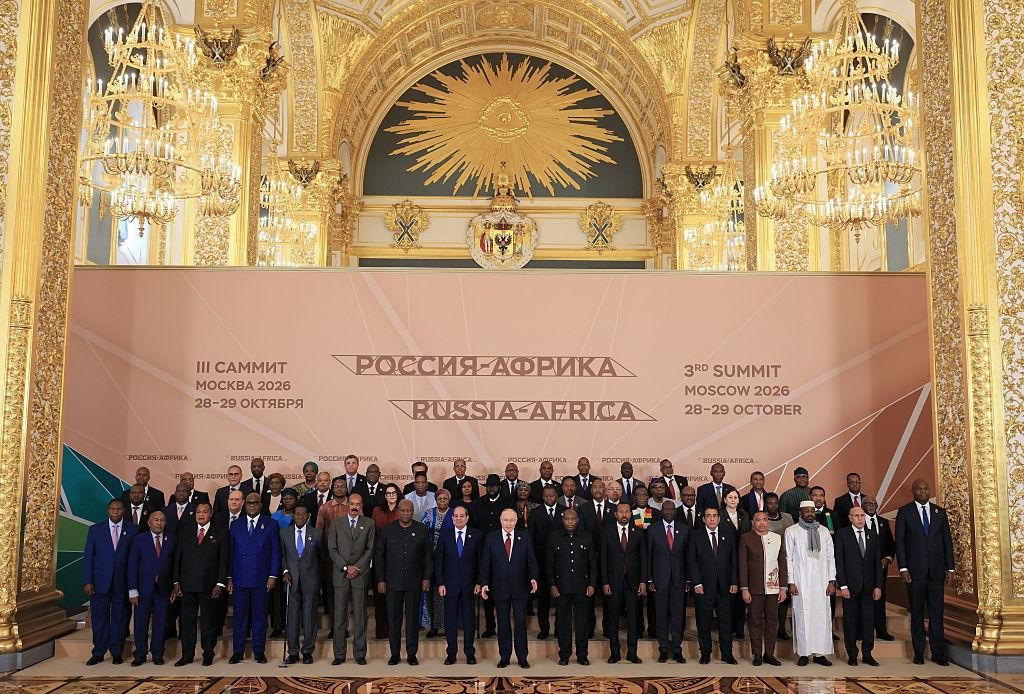
Russia has renewed its push to strengthen trade with African countries, with grain supplies and agricultural cooperation taking centre stage at its latest summit with African leaders in Moscow.
Speaking at the meeting on October 29, 2026, Russian President Vladimir Putin said trade between Russia and African countries had exceeded $27 billion in 2025. He said Moscow wanted to expand those economic ties through cooperation in agriculture, energy, mining, transport and other industries.
Food was one of the main subjects of discussion. Putin said Russia had exported more than 18 million tonnes of grain to African countries in 2025, followed by another 13 million tonnes in the first nine months of 2026.
He also said Russia was ready to continue supplying grain through commercial agreements and free deliveries to countries in need. Moscow offered to share agricultural technology and experience with African partners, including in crop production, livestock farming and food storage.
##Why African countries are paying attention
The interest from African leaders is understandable. Many countries on the continent rely on imported wheat and other food products to meet local demand. When international supplies become expensive or difficult to obtain, the effects can reach local markets and household budgets.
Russia is already an important grain supplier to several African countries. According to Interfax, Egypt received 5.9 million tonnes of Russian grain in the first nine months of 2026. Sudan received around 1.5 million tonnes, while Kenya imported approximately 1.2 million tonnes.
For Kenya, this is particularly relevant because wheat imports contribute to the country's supply of flour used by bakeries and food manufacturers.
African governments are also looking beyond immediate food imports. Access to fertilizer, farming equipment and agricultural technology could help local farmers increase production. Putin said Russia was willing to share its experience and work with African businesses to support agricultural development.
The discussions therefore involve more than buying and selling grain. They also raise questions about investment, local production and how African countries can strengthen their own food systems.
##What this means for ordinary Africans
For people outside government offices and summit halls, the issue is much simpler: will any of these agreements make food more affordable?
The price of wheat affects everyday products such as bread and flour. When imported grain becomes expensive, businesses may pass some of those costs on to consumers. Farmers also feel the impact when fertilizer and other agricultural inputs become costly.
More reliable grain supplies could help reduce shortages and improve availability. Better access to fertilizer and farming technology could also support local production.
However, increased exports from Russia do not automatically mean lower prices in African markets. Shipping expenses, exchange rates, import duties and local distribution costs all influence what consumers eventually pay.
African countries will also need to consider how these partnerships can support local farmers and businesses rather than simply increasing dependence on imported food.
The summit has opened discussions about wider economic cooperation, but the real test will come after the speeches. For ordinary Africans, the outcome that matters most is whether stronger trade relations translate into more reliable food supplies, better opportunities for farmers and prices that households can manage.
Sources
Version 1.0. 54gist stories are edited before publication and updated as facts change. Spotted an error? Tell our editors.