Cambridge Returns Legal Ownership of 116 Benin Artefacts to Nigeria
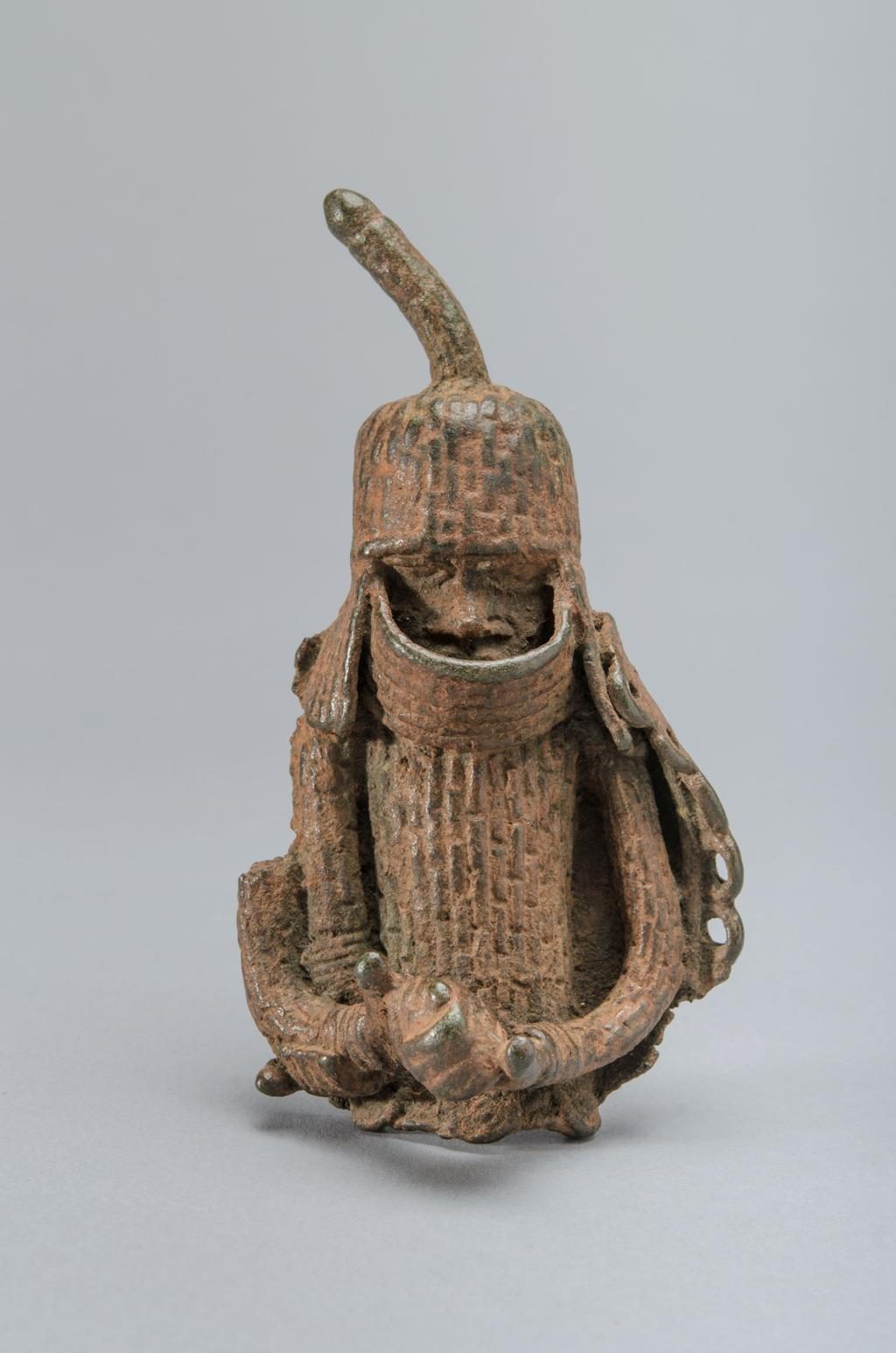
The University of Cambridge has transferred the legal ownership of 116 Benin artefacts to Nigeria, marking another important development in the country's efforts to recover cultural treasures taken during British colonial rule.
The announcement, made on February 8, 2026, concerns artefacts held at Cambridge University's Museum of Archaeology and Anthropology. The collection includes brass objects, ivory pieces and wooden sculptures. Although the legal ownership has changed, the physical return of most of the objects is still being arranged. Seventeen pieces will remain on loan at the Cambridge museum for an initial period of three years.
A painful chapter in Benin history
The Benin Kingdom, located in present-day Edo State, was once a powerful and influential African kingdom known for its sophisticated bronze and brass craftsmanship.
Its artists created intricate plaques, royal sculptures, commemorative heads and other objects that documented the kingdom's history, traditions and royal authority.
However, in February 1897, British forces invaded and sacked Benin City, looting thousands of valuable cultural objects from the royal palace and other locations. Many of these objects were subsequently taken to Europe and distributed among museums and private collections.
For more than a century, the Benin artefacts have remained outside their place of origin, prompting calls for their return.
Why the artefacts matter
The Benin artefacts are more than historical objects or museum collections. They represent the artistic excellence, identity, history and cultural heritage of the Benin Kingdom.
Their return is significant because it gives Nigeria an opportunity to reconnect with important parts of its history and preserve them for future generations.
For many Nigerians, particularly the people of Benin Kingdom, the restitution also represents recognition of the injustice surrounding how these treasures were taken.
Olugbile Holloway, Director-General of Nigeria's National Commission for Museums and Monuments (NCMM), described the development as an important step towards restoring the pride and dignity lost when the objects were taken.
What happens next?
Although Cambridge has transferred legal ownership, the physical return of most of the 116 artefacts will take place once the necessary arrangements are completed.
The NCMM will manage the collection under an agreement with the Benin Royal Palace. The 17 objects remaining in Cambridge will continue to be available for public viewing, research and educational purposes during their initial three-year loan period.
The development could also encourage other international museums holding Benin artefacts to reconsider their positions on restitution.
Attention may particularly turn to the British Museum, which holds a significant collection of Benin objects but faces legal restrictions under UK law on permanently removing items from its collection.
For Nigeria, the Cambridge decision is another step in a much longer journey to bring its cultural heritage home. The next challenge is ensuring that these treasures are physically returned, properly preserved and accessible to future generations.
Sources
Version 1.0. 54gist stories are edited before publication and updated as facts change. Spotted an error? Tell our editors.