Nollywood Stars Are Taking Charge Behind the Camera as Box Office Success Grows
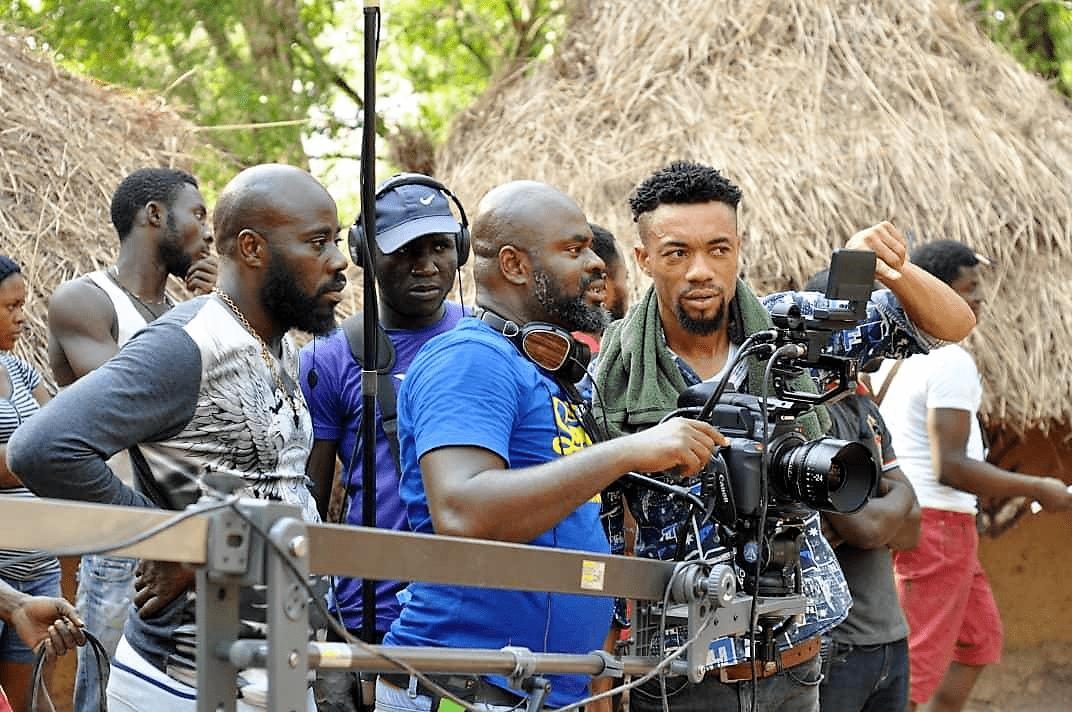
Nollywood is experiencing a shift in which some of its most recognizable actors are taking on responsibilities beyond performing in front of the camera. Increasingly, established stars are producing, directing and developing their own film projects, giving them a greater role in deciding which stories reach cinema audiences.
The trend reflects the growing commercial opportunities in Nigeria's film industry. As locally produced movies attract larger cinema audiences and record significant earnings, actors are finding new ways to turn their popularity into long-term creative and business ventures.
A recent report by Punch highlighted several performers making this transition, including Funke Akindele, Toyin Abraham and Femi Adebayo. Their careers illustrate how Nollywood stars are increasingly combining acting with filmmaking and production.
##Funke Akindele: From popular actress to box-office force##
Funke Akindele is among the most prominent examples of an actress who has built a successful career behind the camera.
After gaining widespread recognition through television productions such as I Need to Know and Jenifa's Diary, she expanded into film production, directing and screenwriting.
Her film credits include Omo Ghetto: The Saga, Battle on Buka Street, A Tribe Called Judah and Everybody Loves Jenifa. These productions have helped establish her as one of Nollywood's most commercially successful filmmakers.
Her 2025 production, Behind the Scenes, also recorded a major box-office milestone. According to figures reported by Punch, the film crossed the ₦1 billion mark, reinforcing her influence as both an actress and a filmmaker.
Akindele's career demonstrates the commercial value of combining an established screen identity with the ability to develop and lead film projects.
##Toyin Abraham: Building a film brand beyond acting##
Toyin Abraham has also expanded her career from acting into production and directing.
She is widely associated with the Alakada film franchise, which has remained an important part of her creative identity. Her other production credits include The Ghost and the Tout, Ijakumo and Malaika.
In 2025, Abraham made her directorial debut with Oversabi Aunty, a comedy in which she also starred and served as producer. The film crossed the ₦1 billion mark at the box office, according to Punch.
Her growing involvement in filmmaking reflects a wider ambition among actors to build projects around stories they believe audiences will enjoy, while retaining a strong connection with their established fan bases.
##Femi Adebayo: Bringing ambitious stories to the screen##
Femi Adebayo represents another side of the trend, particularly in Yoruba-language cinema.
Through his production outfit, Euphoria360 Media, he has been involved in projects such as King of Thieves and Jagun Jagun. He also starred as Agesinkole in King of Thieves, combining his work as a performer with his responsibilities as a filmmaker.
Released in 2022, King of Thieves earned more than ₦320 million at the Nigerian box office, according to Punch. Adebayo's involvement in Jagun Jagun further demonstrated his interest in large-scale storytelling.
His career shows how actors can use their industry experience to contribute to the development and production of films, rather than limiting their involvement to acting roles.
##Box-office success is changing the business##
The growing involvement of actors in production and directing is taking place against the backdrop of a stronger cinema market.
According to the 2025 West Africa Box Office Scorecard reported by BusinessDay, theatrical revenue across Anglophone West Africa reached ₦15.6 billion in 2025, representing growth of approximately 34.7 per cent from the previous year. Nollywood films accounted for 49.4 per cent of the regional box-office revenue, narrowly ahead of Hollywood's 48.8 per cent.
The figures cover Anglophone West Africa, including Nigeria, Ghana and Liberia, rather than Nigeria alone. Nevertheless, they point to the growing commercial importance of locally produced films.
For established actors, strong cinema performances can create opportunities to attract investors, secure distribution partnerships and develop projects with greater commercial ambition. A familiar name can also help generate early audience interest, although a film's success still depends on its story, production quality, marketing and reception.
##Why more actors want creative control##
There are several reasons established performers are taking on production and directing responsibilities.
First, creative control allows actors to have a greater say in the stories being told, the characters they portray and the themes explored in their films. Instead of waiting for suitable roles, they can participate in developing projects that reflect their interests.
Second, production can create opportunities for greater ownership and business participation. Actors who invest in or lead projects may have a stake in the production process and its commercial outcomes, depending on the agreements involved.
There is also the question of career development. Acting opportunities can change with audience tastes and industry trends. Building experience in production, directing and screenwriting gives performers additional ways to remain active in the industry.
However, producing a successful film involves more than having a popular name. It requires financial planning, script development, experienced crews, effective distribution and an understanding of the cinema market. A celebrity-led project does not automatically guarantee commercial success.
##A changing definition of stardom in Nollywood##
The rise of actor-producers and actor-directors reflects a broader change in how success is measured in Nollywood.
Performers such as Funke Akindele, Toyin Abraham and Femi Adebayo are demonstrating that an acting career can become a foundation for wider creative and business responsibilities.
Their experiences also highlight the growing importance of Nigerian stories in the regional cinema market. As local films attract audiences and compete more strongly with international releases, the people who develop and produce those stories are becoming increasingly influential.
For Nollywood, the next stage of growth may depend not only on the popularity of its stars but also on the quality of the projects they create, the strength of their production teams and their ability to build sustainable businesses around Nigerian storytelling.
Version 1.0. 54gist stories are edited before publication and updated as facts change. Spotted an error? Tell our editors.