Explainer: Why Artist Fees Cause Drama
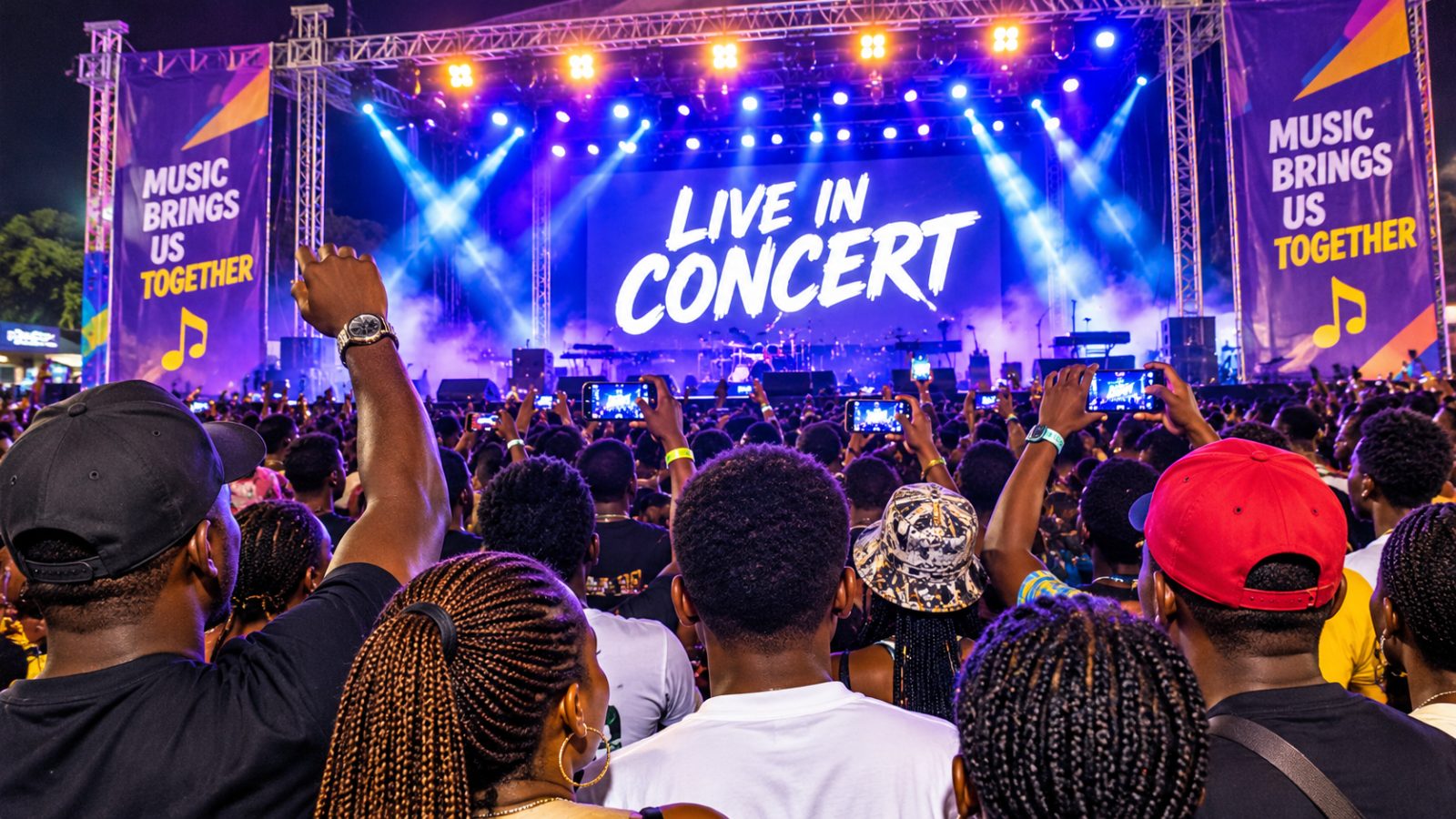
The entertainment industry is built on talent, popularity, hard work and business. However, one issue that continues to generate heated discussions among music lovers, event organisers and performers is the amount artistes charge for live performances. While fans often expect their favourite musicians to spend hours entertaining them, performers and their management teams may have different expectations depending on the agreement reached before an event.
A recent controversy involving Nigerian Afrobeats superstar Davido and Ghanaian businessman Great Osama has brought this debate back into the spotlight. The disagreement reportedly followed Davido's appearance at the third anniversary celebration of NYC Hotel in Manso Akwasiso, Ghana, on November 15, 2026.
According to reports by Pulse Ghana, discussions surrounding the event centred on an alleged $600,000 booking fee and claims that Davido performed for approximately 19 minutes. The reported payment has not been independently confirmed by Davido, his management or the event organiser. Nevertheless, the incident has generated widespread conversations about what fans and promoters should expect when booking popular musicians. �
Pulse Ghana
What Do Artist Appearance Fees Cover?
An artist appearance fee is the amount paid to secure a musician's presence at an event. Depending on the agreement, it may cover a live performance, a special guest appearance, participation in a private celebration or attendance at a promotional activity.
However, the fee does not automatically guarantee that an artiste will perform for several hours.
For major international musicians, the booking arrangement may involve several expenses and requirements. These can include management fees, travel arrangements, accommodation, security, transportation and technical requirements.
Some agreements also cover the musician's professional team, including managers, personal assistants and technical personnel.
This explains why booking a popular international artiste can be expensive. Promoters are not necessarily paying only for the songs performed on stage; they are also paying for access to the artiste's brand, popularity and ability to attract attention.
Why Can Show Length Differ?
One common misunderstanding between event organisers and fans concerns performance duration.
Some people believe that paying a large amount of money should automatically guarantee an extended performance. However, the actual duration usually depends on the agreement between the artiste and the organiser.
A booking may cover a short appearance, a few songs or a complete concert lasting more than an hour.
For example, an artiste booked for a private birthday celebration may have a different arrangement from someone performing at a major music festival.
Scheduling can also affect performance length. Some musicians have multiple appearances, strict travel arrangements or other professional commitments on the same day.
Therefore, a short performance does not automatically mean an artiste has failed to fulfil their responsibilities. The important question is whether the agreed terms were respected.
The Davido and Great Osama Controversy
The recent situation involving Davido illustrates how expectations can create disagreements.
Great Osama reportedly expressed disappointment after the Nigerian singer's performance at NYC Hotel, with videos circulating online showing tension between the businessman and members of the singer's entourage.
The reported 19-minute performance surprised some fans, particularly because of the widely discussed booking fee.
However, Ghanaian rapper Medikal defended Davido, arguing that the singer should not be blamed without knowing the actual agreement between both parties.
Medikal also highlighted the treatment of local musicians, arguing that some promoters expect Ghanaian artistes to perform for extended periods despite paying them relatively low fees. �
Pulse Ghana
How Can Fans Judge a Booking Story Fairly?
Fans should avoid making immediate conclusions whenever a performance generates controversy.
First, they should distinguish between confirmed information and social media speculation. An alleged booking fee should not be treated as an established fact until reliable confirmation becomes available.
Second, they should consider the original agreement. Without knowing the contracted performance duration, it is difficult to determine whether a musician delivered what was promised.
Third, fans should understand that different events have different arrangements. A festival performance, private appearance and hotel anniversary celebration may involve completely different expectations.
Finally, both organisers and artistes should communicate clearly to avoid unnecessary misunderstandings.
Why Clear Agreements Matter
Professional booking agreements are essential in the entertainment industry. They help establish expectations before money changes hands.
A good contract should clearly state the artiste's appearance fee, performance duration, number of songs, arrival time, technical requirements and other responsibilities.
It should also explain what happens if either party fails to meet the agreed conditions.
With clear documentation, promoters can protect their investments while artistes can protect their professional interests.
Conclusion
Artist fees will probably remain a major topic of discussion as musicians continue to build their brands and attract international audiences.
However, the controversy surrounding Davido's appearance in Ghana demonstrates why people should understand the business side of entertainment before judging a performance.
Fans deserve value for their money, promoters deserve transparency, and artistes deserve respect for their professional agreements.
Ultimately, successful entertainment events depend on proper planning, honest communication and clearly defined expectations. When everyone understands their responsibilities, unnecessary drama can be avoided, allowing the music and entertainment to take centre stage.
Sources
Version 1.0. 54gist stories are edited before publication and updated as facts change. Spotted an error? Tell our editors.