Fuel Queues in Malawi Become a Daily Stress
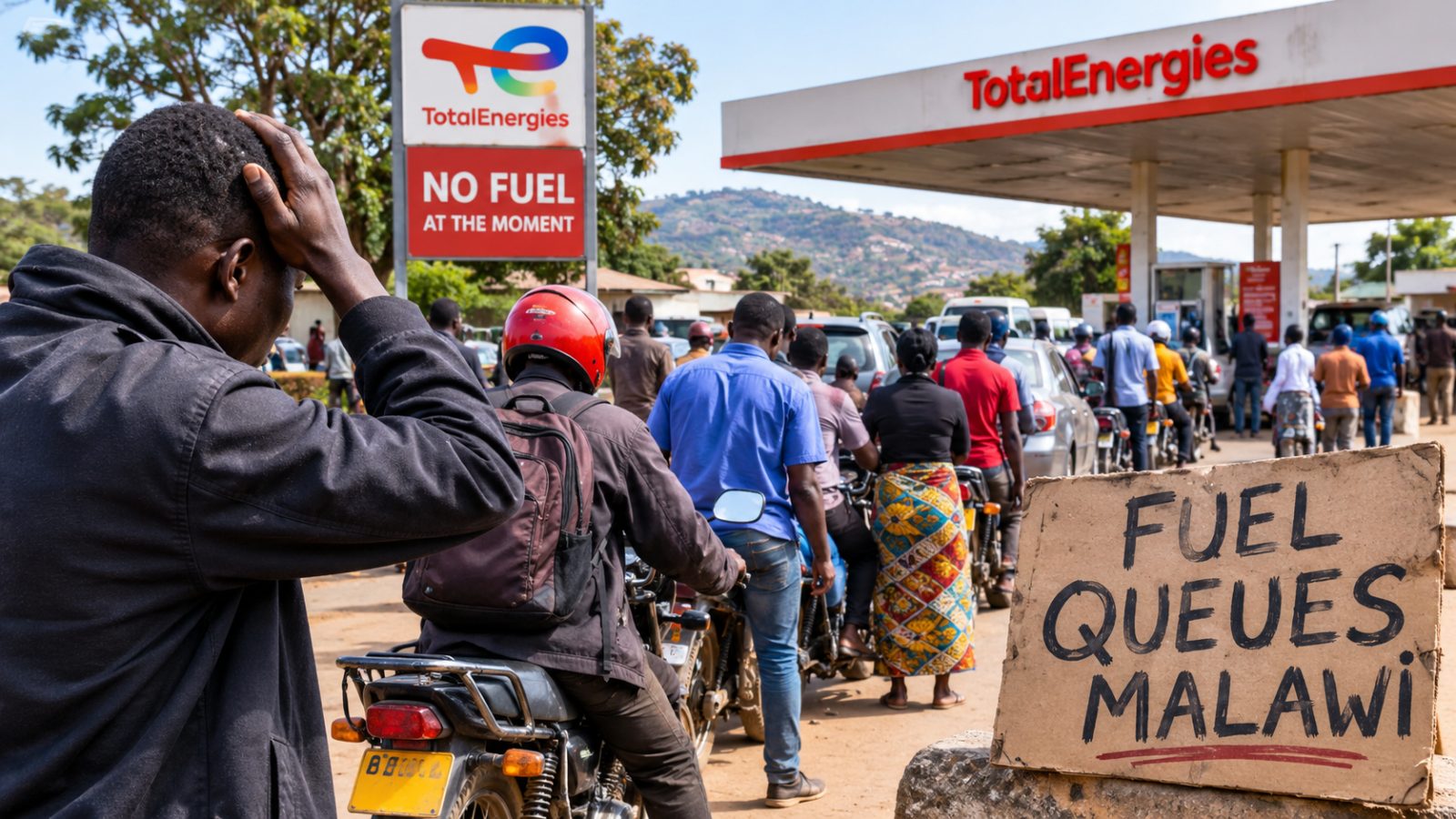
For many people in Malawi, getting fuel has become a struggle. In Lilongwe, a tanker approaching a station sends drivers rushing to join queues. Some wait for hours; others spend nights in their vehicles, hoping to buy petrol.
Motorcycle taxi operator McDonald Kachule told Africanews he now spends more time waiting for fuel than running his business. For workers who depend on transport, either public or private, lost hours mean fewer customers and less income. Teacher Elita Mtiyesa said she arrived at a station at 4pm after collecting her children and was still waiting at 8pm. The shortage disrupts family routines.
##Transport Costs and Prices Rise
The Malawi fuel shortage is making transport more expensive. With supplies uncertain and sales rationed, some drivers turn to informal sellers, where petrol can cost up to 20,000 kwacha a litre. Operators facing higher costs may raise fares, leaving passengers to pay more or walk.
When trucks struggle to obtain fuel, deliveries of food, fertiliser and essentials can be delayed. Farmers may find it harder to get supplies or move produce to markets, while businesses face higher costs. These pressures reach households through more expensive goods and services.
Africanews reports that Malawi’s government blames the crisis partly on a shortage of foreign currency needed to pay for fuel imports. International supply disruptions linked to the war in Iran have added pressure. The country needs about $49 million in foreign currency each month for fuel.
##A wider African concern
Fuel queues Malawi residents face show that shortages affect more than motorists. Across Africa, countries relying on imported fuel face currency shortages, global price increases and disrupted supply routes. The result may be higher fares, rising food prices and less money for household needs.
The crisis reflects the wider Africa cost of living challenge. When fuel becomes scarce and unaffordable, the cost is felt in workplaces, markets and homes. For families who are on tight budgets, a long queue can mean lost in earnings and difficult choices about what they can afford.
Sources
Version 1.0. 54gist stories are edited before publication and updated as facts change. Spotted an error? Tell our editors.