US Raises Kenya Travel Advisory Over Ebola
What changed in the travel advisory? The United States has raised its travel advisory for Kenya from Level 2 to Level 3, urging American citizens to reconsider travel because of health risks, including Ebola. The decisio…
##What changed in the travel advisory?
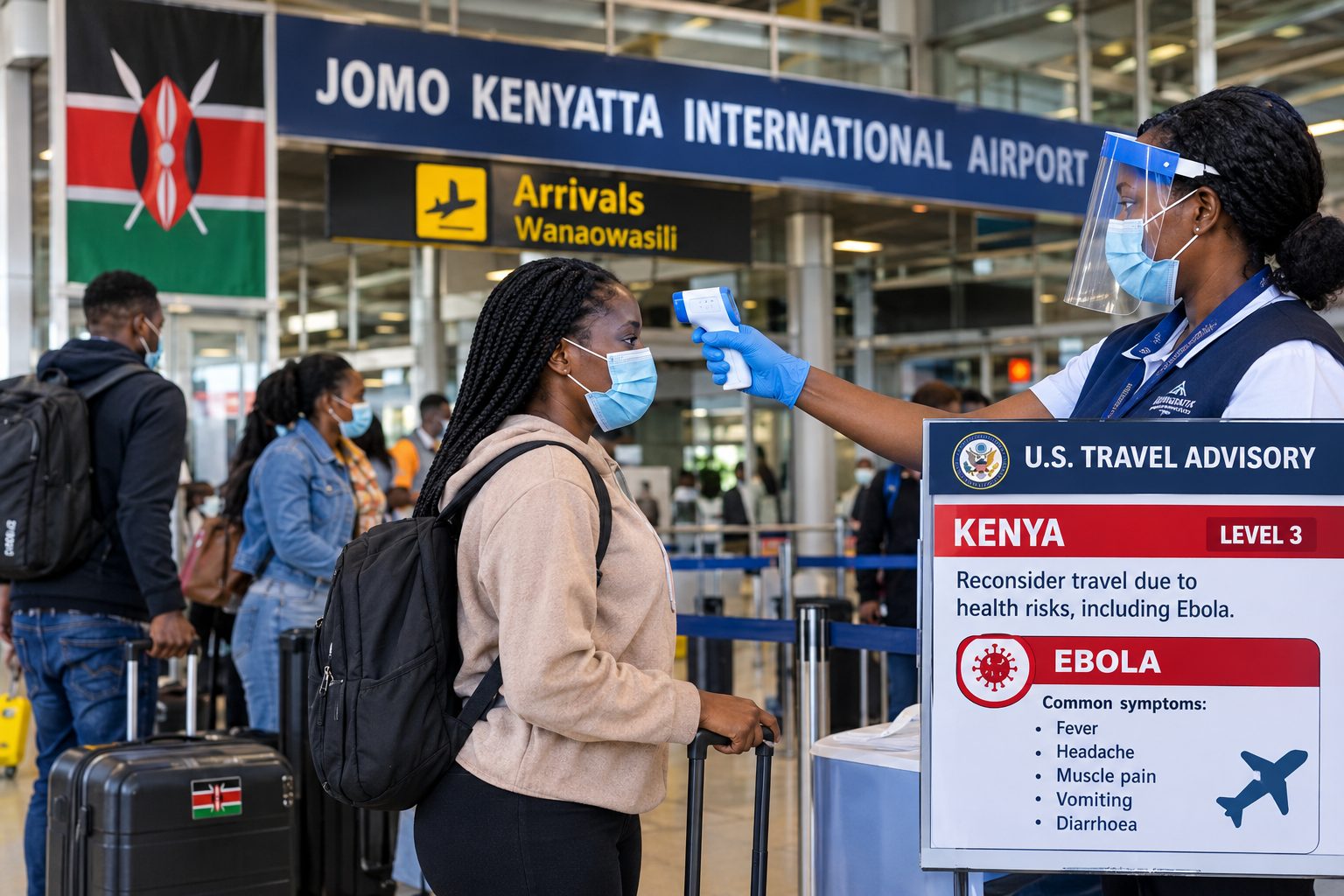
The United States has raised its travel advisory for Kenya from Level 2 to Level 3, urging American citizens to reconsider travel because of health risks, including Ebola. The decision, announced on October 19, 2026, has placed Kenya’s public health response and tourism industry under greater international attention.
According to the US State Department, the change follows a health notice from the Centers for Disease Control and Prevention (CDC) concerning Ebola caused by the Bundibugyo virus. Kenya has reported infections linked to the outbreak, prompting health authorities to investigate cases, trace contacts and strengthen containment measures.
The Kenya travel advisory does not mean that Americans are banned from visiting the country. However, it signals that travellers should carefully assess the risks before making their plans. The advisory also highlights concerns about crime, kidnapping, terrorism, unrest and road safety.
Travellers are advised to avoid direct contact with people experiencing possible Ebola symptoms, including fever, headache, muscle pain, vomiting and diarrhoea. Anyone who develops concerning symptoms after possible exposure should seek guidance from health authorities.
##What are Kenyan officials saying?
Kenyan officials have sought to reassure visitors that the situation is being managed and that the American advisory does not prohibit travel to the country.
Foreign Affairs Principal Secretary Korir Sing’Oei described the decision as precautionary, explaining that the United States has a responsibility to inform its citizens about potential risks. He said the advisory does not prevent Americans from entering Kenya.
Kenyan authorities have also emphasised the importance of surveillance, contact tracing and preparedness at border points. Officials argue that strengthening disease detection and sharing information across borders are more effective approaches than imposing unnecessary restrictions that could disrupt economic activity.
The government’s response reflects a difficult balance: protecting public health while avoiding measures that could damage trade, tourism, education and other essential services.
##What could this mean for travel and tourism?
The immediate concern is whether the Ebola travel warning will make international visitors reconsider holidays, business trips and conferences in Kenya.
Tourism is an important source of income for hotels, tour operators, restaurants, transport companies and local communities. If visitors postpone bookings or choose alternative destinations, businesses could experience fewer customers and reduced earnings.
The warning could also increase travellers’ concerns about airport screening, access to medical care and the possibility of travel disruptions. Airlines and tour operators may face additional questions from customers, even though the advisory is not a blanket travel ban.
For anyone planning a visit, the practical step is to check official health guidance, confirm travel arrangements with airlines and review insurance coverage before departure.
The latest Kenya tourism update will depend partly on how effectively authorities contain the outbreak and communicate reliable information to the public. For Kenya and other African destinations, clear health messaging and coordinated regional surveillance will be essential to maintaining travellers’ confidence without downplaying genuine risks.
Sources
Version 1.0. 54gist stories are edited before publication and updated as facts change. Spotted an error? Tell our editors.