US Moves Routine Visa Services to Regional Hubs in Africa: What Applicants Need to Know
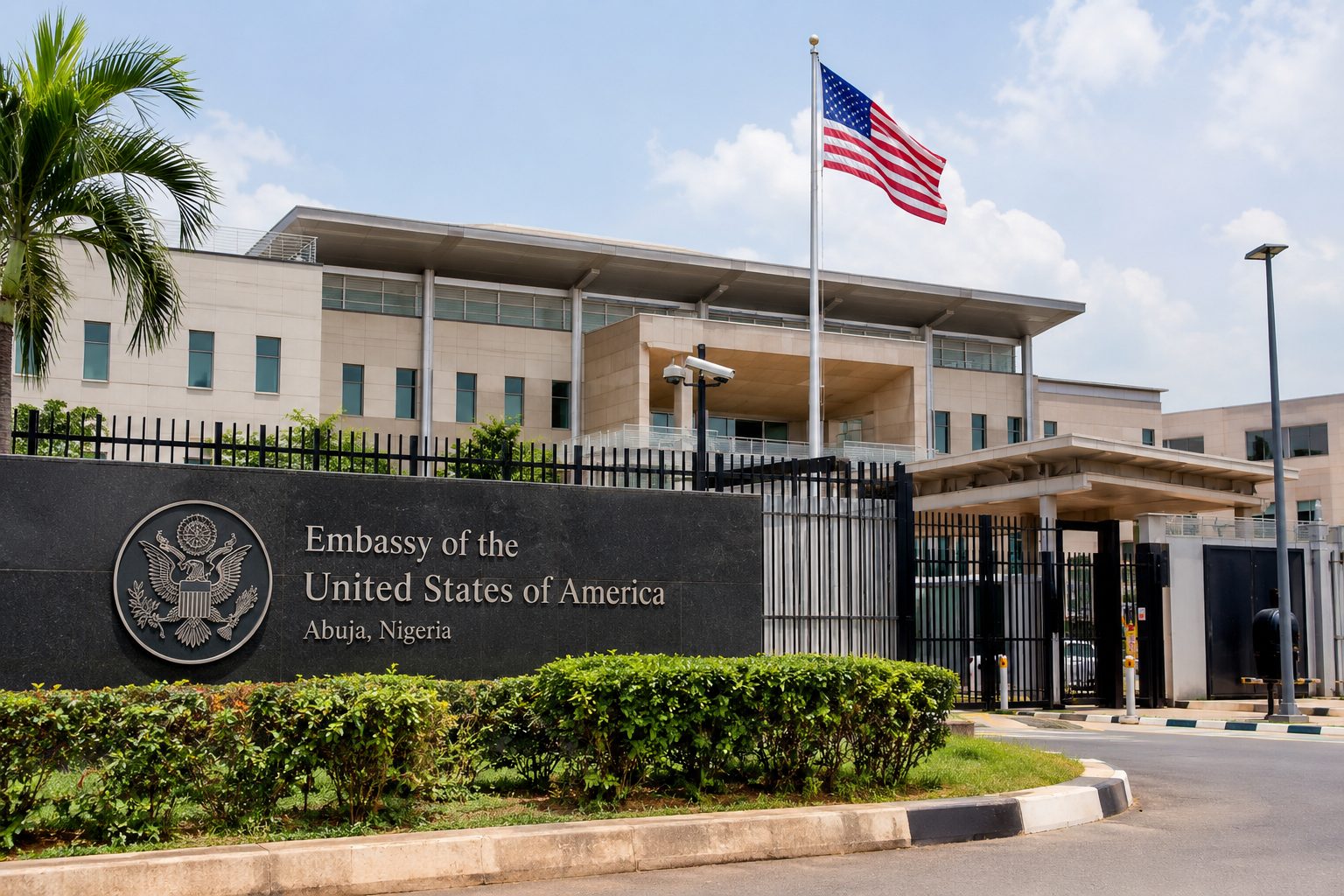
The United States has changed how routine visa applications are processed across several African countries, requiring affected applicants to use designated regional visa hubs instead of relying on their previous local embassy or consulate. The changes took effect on August 1, 2026, and may affect where people need to attend visa interviews, pay application fees and complete other parts of the application process.
The US Department of State announced the realignment on July 15, 2026, explaining that the move is intended to strengthen security screening, promote more consistent visa adjudication and improve the efficiency of consular operations. For applicants, however, the most important issue is understanding which office is responsible for their application before making travel arrangements or paying fees.
Which African Posts Are Affected?
According to the US Department of State, routine visa services have been realigned at 25 diplomatic posts across Africa. These are Antananarivo, Abuja, Asmara, Bamako, Banjul, Brazzaville, Bujumbura, Conakry, Cotonou, Durban, Freetown, Gaborone, Harare, Juba, Libreville, Lilongwe, Lusaka, Maputo, Maseru, Mbabane, N’Djamena, Niamey, Nouakchott, Ouagadougou and Windhoek.
The affected locations cover Madagascar, Nigeria, Eritrea, Mali, The Gambia, the Republic of the Congo, Burundi, Guinea, Benin, South Africa, Sierra Leone, Botswana, Zimbabwe, South Sudan, Gabon, Malawi, Zambia, Mozambique, Lesotho, Eswatini, Chad, Niger, Mauritania, Burkina Faso and Namibia.
Applicants from these countries who need routine US visa services must follow the designated processing arrangements rather than assume that their previous local post will continue handling their applications.
The department has identified 20 regional visa hubs: Abidjan, Accra, Addis Ababa, Cape Town, Dakar, Dar es Salaam, Djibouti, Johannesburg, Kampala, Kigali, Kinshasa, Lagos, Lomé, Luanda, Malabo, Monrovia, Nairobi, Port Louis, Praia and Yaoundé.
These hubs are located across different parts of the continent and will handle routine visa services for applicants assigned to them. Applicants should consult the official State Department guidance to establish the correct location for their nationality and circumstances.
Importantly, the announcement does not mean that all affected embassies and consulates have closed. The department states that the realignment concerns routine visa processing and does not change the overall operating status of the diplomatic posts or the other services they provide.
What Should Visa Applicants Do Now?
For anyone planning to travel to the United States, the first step is to check the latest instructions on the official US Department of State website.
Nonimmigrant visa applicants, including people seeking visitor or business visas, should generally schedule their interviews in their country of nationality or residence. Where routine nonimmigrant visa operations are not conducted, applicants should use the designated processing post unless their residence places them under a different arrangement.
Applicants should take the following precautions:
- Confirm the correct processing location. Visit the official "US Department of State visa services announcement" (https://travel.state.gov/en/newsroom/visas/2026/realignment-of-u-s--visa-services-in-africa-to-regional-hubs.html) and identify the designated location applicable to your circumstances. Do not assume that the nearest embassy is necessarily the correct one.
- Check appointment instructions before paying. Applicants should confirm where their interview must take place and which location should receive their application fee. The department warns that fees paid for nonimmigrant visa applications submitted outside the applicant's country of nationality or residence, or the designated processing post, will not be refunded or transferred.
- Monitor your email if you already have an appointment. Applicants with existing appointments at affected posts should read communications from the relevant embassy or consulate carefully. The department says existing nonimmigrant visa appointments will generally not be cancelled, although applicants will be notified if a specific appointment is cancelled. Applicants should not cancel an appointment or make alternative travel plans based on assumptions alone.
- Budget for possible additional travel. Depending on the designated location, some applicants may need to travel to another country for an interview. They should consider transportation, accommodation, visa requirements for the transit or destination country, and other expenses before committing to a date.
- Check requirements for immigrant visas separately. The realignment also covers routine immigrant visa services, including family-based and employment-based categories, fiancé(e) visas and other specified immigrant visa cases. The appropriate designated immigrant visa location may differ from the location used for nonimmigrant applications, so applicants should verify the applicable instructions.
What Does This Mean for Nigerian Applicants?
For Nigerians, the change is particularly important because Abuja is among the affected posts, while Lagos is one of the designated regional hubs.
Applicants should therefore check the official instructions for their particular visa category and application circumstances before scheduling an interview. They should not assume that every application previously handled in Abuja will follow identical procedures or that every applicant must take the same steps without checking the relevant guidance.
The State Department's separate guidance on nonimmigrant visa adjudication also emphasises applying in the applicant's country of nationality or residence, or at the designated processing post where applicable. Applicants who choose a different location may face longer appointment waits and greater difficulty qualifying for a visa.
The department also notes that the realignment does not invalidate existing, currently valid US visas. Travellers who already hold valid visas should not assume that their documents have become invalid solely because of this administrative change. They should, however, check any other rules that may apply to their nationality or travel circumstances.
Rules Can Change: Verify Before You Travel
The changes took effect on August 1, 2026, but visa procedures, appointment availability and individual eligibility requirements can change. The information in this report was checked on October 27, 2026, against the US Department of State's official publications.
Applicants should consult the department's website and the relevant US embassy or consulate for the latest instructions before paying fees, booking flights or attending interviews. No appointment date, processing time or visa approval should be assumed or guaranteed.
For applicants, the safest approach is straightforward: confirm the correct processing post, follow the official instructions for the relevant visa category and check for updates throughout the application process.
Sources
Version 1.0. 54gist stories are edited before publication and updated as facts change. Spotted an error? Tell our editors.