UNAIDS Calls for an End to Coercion Against Women Living With HIV
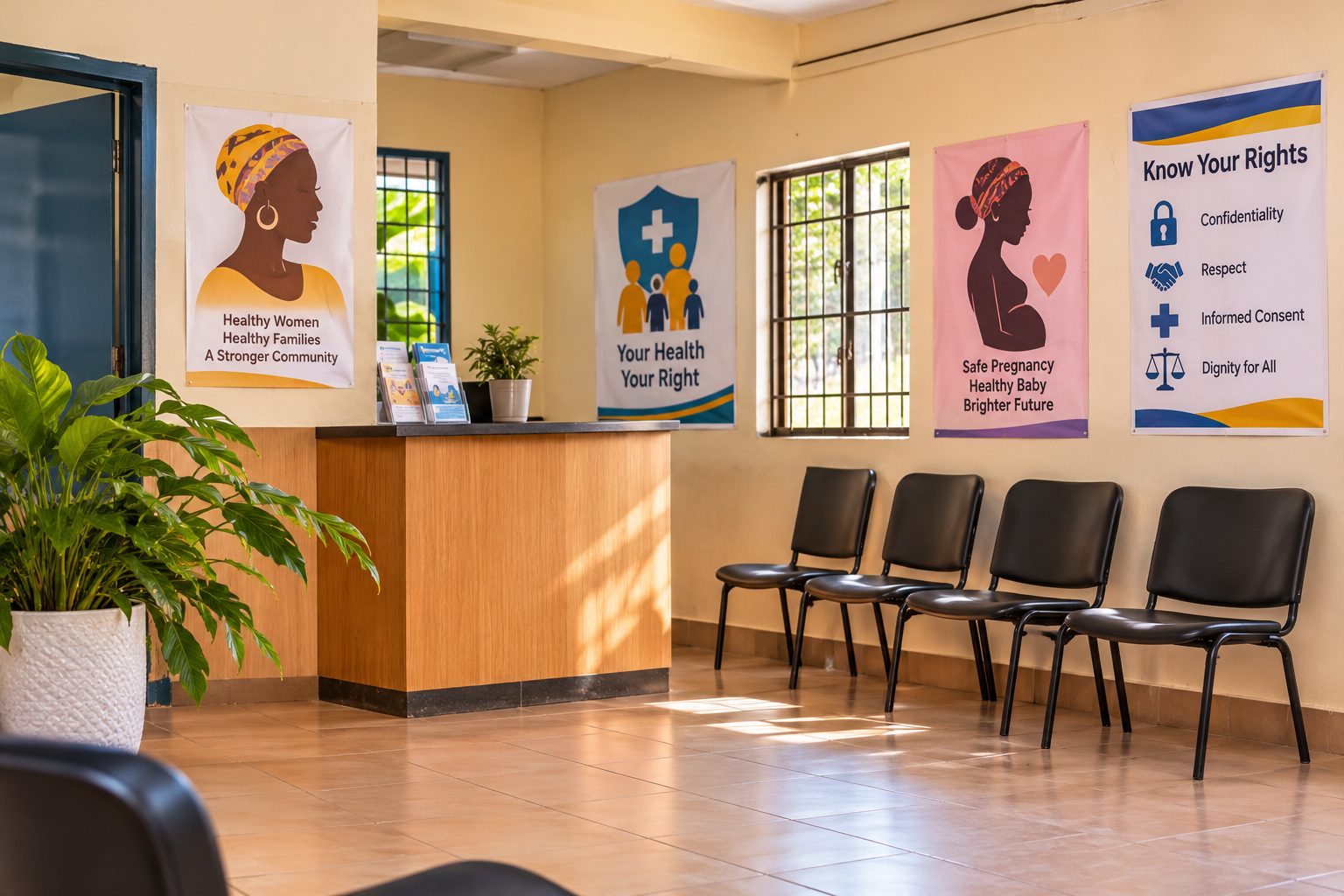
When a woman visits a health centre, she should be able to expect care, respect and an honest conversation about her health. But for some women living with HIV, even seeking medical help can become an experience they would rather forget.
Some have faced pressure to undergo sterilisation, make decisions about contraception or follow particular infant-feeding practices without being given the freedom to make informed decisions about their own bodies. Others have experienced discrimination, humiliation or denial of care in places where they should have been protected.
It is this reality that UNAIDS wants governments to confront.
On November 25, 2026, as the annual 16 Days of Activism against Gender-Based Violence campaign began, UNAIDS issued a statement calling for an end to violence, reproductive coercion and discrimination against women and girls living with or at risk of HIV.
The organisation called for stronger protection for survivors, access to justice and accountability for those responsible.
The message goes beyond asking people to treat women more kindly. It raises a difficult question: are healthcare systems and government institutions doing enough to protect the rights of the people who depend on them?
When Healthcare Becomes Another Place of Fear
Reproductive coercion is not always easy to recognise, especially when it happens in a setting where patients are expected to trust medical professionals.
It can involve pressuring a woman to undergo sterilisation, influencing her contraception choices without respecting her consent, or interfering with decisions about pregnancy and breastfeeding. In some cases, women living with HIV have also faced threats, verbal abuse and discriminatory treatment when seeking medical services.
These are not minor disagreements between patients and healthcare workers. They involve decisions that can shape someone's future, family life and sense of personal dignity.
UNAIDS Executive Director Winnie Byanyima has stressed that justice must also reach healthcare facilities, where violations of women's rights can take place.
Women living with HIV should not be forced into medical procedures, denied the right to make decisions about their bodies or punished for decisions about how they feed their children.
For many women, the consequences extend beyond the experience itself. Being humiliated or mistreated at a health facility can destroy the trust needed to seek treatment and return for regular medical care.
The Numbers Reveal a Much Bigger Problem
UNAIDS has pointed to figures that show why the issue deserves greater attention, particularly in sub-Saharan Africa.
Nearly one in three women worldwide have experienced physical violence from an intimate partner or sexual violence during their lifetime. The organisation also reports that only 36.8% of women aged 15–49 who are married or in a union in sub-Saharan Africa have full decision-making power over sex, contraception and reproductive healthcare.
The figures become even more concerning when looking at the relationship between gender-based violence and HIV.
Across 30 sub-Saharan African countries, women who experienced intimate partner violence were more than three times as likely to have recently acquired HIV compared with women who had not experienced such violence.
Violence can also affect the lives of women who are already receiving treatment. UNAIDS reports that women living with HIV who experience violence are less likely to achieve viral suppression. Adolescents living with HIV who have experienced intimate partner violence and sexual abuse were also reported to be half as likely to adhere to HIV treatment.
These findings show that the fight against HIV cannot be separated from the fight against violence, discrimination and unequal power in relationships.
Access to medication matters, but so does having the freedom and safety to continue treatment without fear.
Survivors Need More Than Encouraging Statements
Another important part of the UNAIDS announcement concerns what happens after someone's rights have been violated.
For years, women living with HIV and their organisations have documented experiences of coercion and mistreatment. Yet recording an incident does not automatically bring justice or prevent it from happening again.
In its 2026 update, Confronting Coercion, Continued, the International Community of Women Living with HIV examined information from more than 24,821 women living with HIV aged 18–49 across 48 countries.
The findings reported that 8.8% had experienced some form of reproductive coercion during the previous 12 months. Mistreatment was reported by 14.5% of women accessing HIV services, rising to 23.9% among those accessing other healthcare services.
The experiences included denial of care, verbal and physical abuse, and discriminatory treatment.
These findings make one thing particularly important: survivors need somewhere safe to report violations, people who will take their complaints seriously and a justice system capable of holding perpetrators accountable.
They also need access to appropriate remedies and reparations rather than being left to deal with the consequences alone.
What Governments and Healthcare Systems Must Change
UNAIDS has outlined three major areas where governments need to take action.
First, healthcare must respect informed consent, privacy and bodily autonomy.
Women should receive accurate medical information, be allowed to ask questions and make decisions about their reproductive health without intimidation or pressure.
Second, survivors must have access to justice.
This includes investigating reported violations, holding perpetrators accountable and ending the criminalisation of women living with HIV over infant-feeding decisions. Medical guidance should be evidence-based and take individual circumstances into account rather than relying on punishment or discrimination.
Third, governments need to support organisations led by women living with HIV.
These groups often provide support to survivors, document violations and help women understand and defend their rights. UNAIDS is calling for sustained and flexible funding so that their work can continue.
These demands also connect with the 2026 United Nations Political Declaration on HIV and AIDS, which renewed commitments to gender equality, human rights and ending HIV-related discrimination and violence.
The challenge now is turning those commitments into changes that women can actually experience when they enter a clinic, report abuse or seek help.
The Fight Against HIV Must Include the Right to Live With Dignity
As the 16 Days of Activism campaign moves towards World AIDS Day on December 1, the message from UNAIDS raises an issue that should not be pushed aside.
Women living with HIV are not simply people receiving medical services. They are individuals with families, relationships, hopes and the right to make decisions about their own lives.
A health centre should never become a place where someone feels powerless. Receiving treatment should not require enduring humiliation, surrendering personal choices or remaining silent after being mistreated.
There has been considerable progress in HIV prevention and treatment, but that progress means little when the rights of the people being served are ignored.
The real test is not just whether women can reach healthcare facilities. It is whether they can enter those facilities, receive the care they need and leave knowing that their dignity has been respected.
That is the kind of protection UNAIDS is asking governments to deliver. And it is a reminder that ending AIDS is not only a medical challenge. It is also a question of justice, equality and human rights.
Sources
- achpr.au.int/sites/default/files/files/2024-03/africancommissionhivreportfulleng.pdf
- unaids.org/en/resources/presscentre/featurestories/2026/june/20260629_HLM_PD
- achpr.au.int/sites/default/files/files/2024-03/africancommissionhivreportfulleng.pdf
- www.wlhiv.org/reproductivejustice
- www.unaids.org/en/resources/presscentre/pressreleaseandstatementarchive/2026/november/20261125_16Days_activism
Version 1.0. 54gist stories are edited before publication and updated as facts change. Spotted an error? Tell our editors.