South Africa: Police Seek Court Intervention to Stop Anti-Immigration Marches Amid Rising TensionsPolice in South Africa have approached the courts to stop planned anti-illegal immigration marches in Durban, KwaZulu-Nata
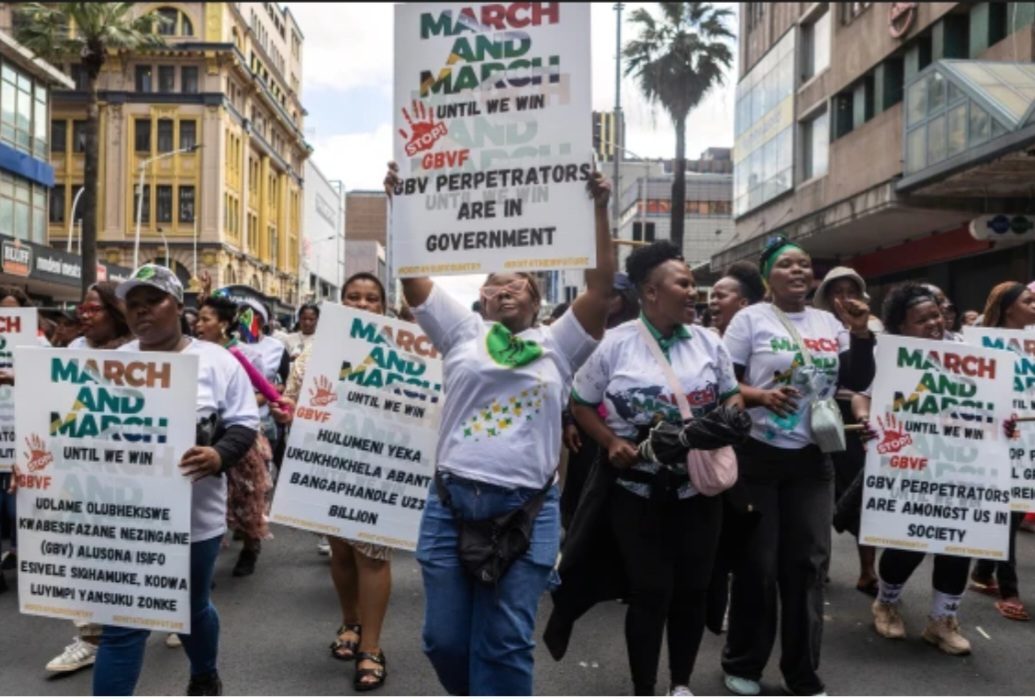
Police in South Africa have approached the courts to stop planned anti-illegal immigration marches in Durban, KwaZulu-Natal, following growing concerns about violence, intimidation and threats to public safety. The move has intensified debate over immigration, citizens' rights to protest and the protection of foreign nationals living in the country.
The police intervention came after several demonstrations reportedly turned violent, raising fears of further attacks on migrant communities and damage to public and private property.
- What the Court Request Aims to Do
The South African Police Service (SAPS), working with the acting Police Minister, Firoz Cachalia, and KwaZulu-Natal Police Commissioner Nhlanhla Mkhwanazi, approached the KwaZulu-Natal High Court seeking an order to restrict planned demonstrations organised by the anti-immigration movement known as March and March.
The application sought to prevent the movement and its organisers from holding further marches and protest convoys in affected areas, particularly around Durban's refugee reception centre.
Police wanted to prevent further violence, attacks on foreign nationals, destruction of property and disruption of public services.
The application followed a series of demonstrations that had heightened tensions across the province.
- Reasons Given by Police
Police highlighted several concerns behind their decision to approach the court.
Threats of violence: Authorities received information about alleged plans to burn down a refugee reception centre in Durban.
Previous violent demonstrations: Earlier protests reportedly resulted in at least 24 vehicles being set on fire, shops being looted and clashes between protesters and other residents.
Threats against foreign nationals: A foreign national was reportedly killed during the unrest, increasing fears of possible retaliation.
Public safety concerns: Police were worried about intimidation, road blockades, attacks on businesses and disruption of essential services.
Authorities stressed that South Africans have a constitutional right to peaceful demonstrations, but that right does not extend to violence, intimidation or destruction of property.
- What This Could Mean for Upcoming Community Events
The court intervention could have significant implications for future demonstrations and community gatherings in South Africa.
Firstly, organisers of anti-immigration protests may face stricter requirements when planning public demonstrations. Authorities are likely to pay closer attention to security arrangements, protest routes and the conduct of participants.
Secondly, communities with large migrant populations could experience increased police monitoring to prevent attacks, intimidation and possible retaliation.
Thirdly, the situation could encourage greater dialogue between community leaders, government representatives, immigration authorities and migrant organisations to address concerns about illegal immigration without promoting hostility or violence.
Importantly, the court's eventual decision: On 30 October 2026, the KwaZulu-Natal High Court allowed the demonstrations to proceed under strict conditions rather than imposing a complete ban. Protesters were required to follow designated routes, avoid carrying sticks or concealing their faces, and restrict demonstrations to between 9 a.m. and 3 p.m.
Conclusion
The controversy highlights the difficult balance South Africa faces between protecting constitutional freedom of expression and maintaining public order.
While communities have legitimate reasons to raise concerns about immigration enforcement, unemployment and pressure on public services, violence and attacks against innocent people cannot be justified.
The coming weeks will remain important in determining whether authorities, community organisations and protest leaders can manage these tensions peacefully while respecting the rights and safety of everyone living in South Africa.
Version 1.0. 54gist stories are edited before publication and updated as facts change. Spotted an error? Tell our editors.