NAF Trains 53 Personnel to Strengthen Aviation Safety and Security in Nigeria
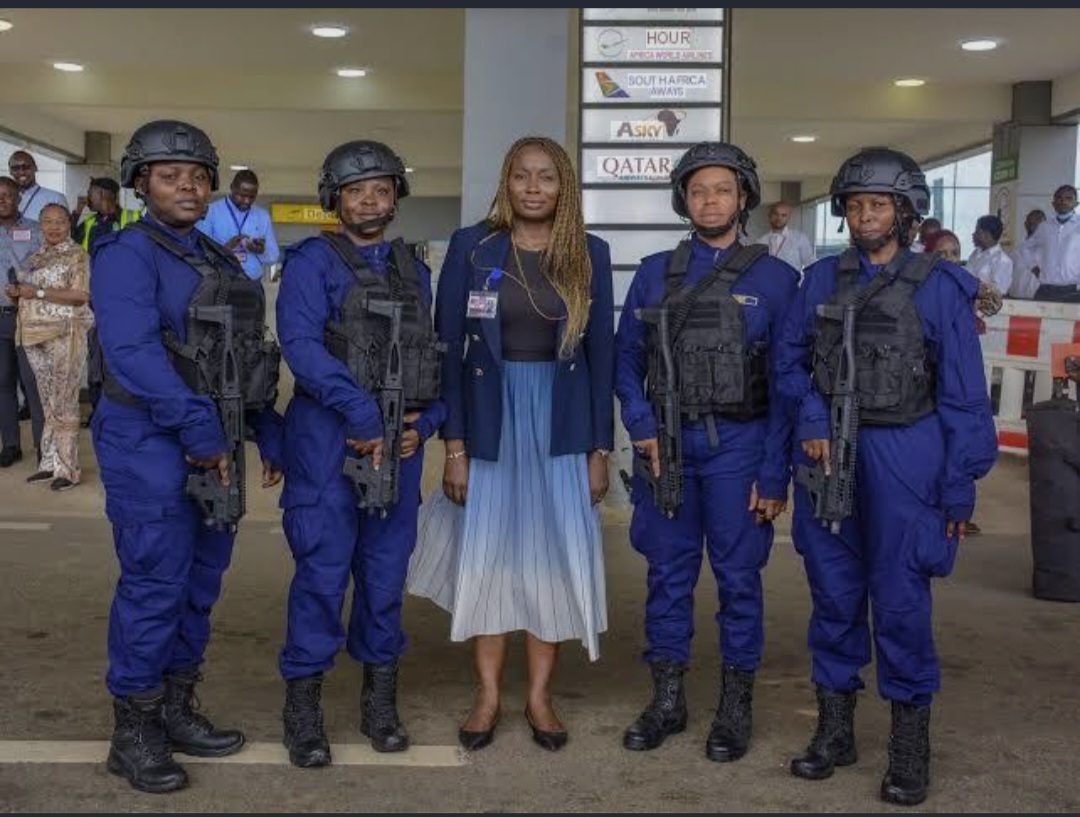
The Nigerian Air Force (NAF) has graduated 53 newly trained personnel in a move aimed at strengthening aviation safety, airspace monitoring and operational efficiency.
The development is part of efforts to improve professional capacity within the Air Force and ensure safer and more effective aviation operations across Nigeria.
According to a report published on November 27, 2026, the graduates include 24 cabin crew personnel and 29 radar surveillance assistants. The graduation ceremony took place in Kaduna.
- Who Was Trained and Where?
The Nigerian Air Force trained two categories of aviation personnel:
24 Cabin Crew Personnel: Responsible for passenger safety, emergency preparedness and supporting safe in-flight operations.
29 Radar Surveillance Assistants: Responsible for monitoring aircraft movements, identifying aircraft, detecting potential threats early and supporting coordinated air defence operations.
The graduation ceremony was held in Kaduna at the Air Traffic Services Training Centre.
The Chief of the Air Staff, Air Marshal Sunday Aneke, said that professional training remains essential to improving operational effectiveness and strengthening the Air Force's capabilities.
- What Were the Main Aviation Security Focus Areas?
The training focused on important areas that contribute to safer aviation operations.
Passenger safety: Cabin crew members are trained to protect passengers and respond appropriately to situations that could threaten their safety during flights.
Emergency preparedness: Personnel must be capable of responding to emergencies and managing unexpected situations during aircraft operations.
Aircraft identification and surveillance: Radar surveillance assistants help monitor aircraft movements and identify potential security threats within Nigeria's airspace.
Early threat detection: Improved radar surveillance can help security personnel identify suspicious activities and respond before situations escalate.
Air defence coordination: The trained assistants also support coordinated operations aimed at protecting the country's airspace.
The Air Traffic Services Training Centre has also renewed its accreditation as an Approved Training Organisation with the Nigerian Civil Aviation Authority (NCAA).
- Why Does This Matter to Travellers and Airlines?
The training is important because aviation safety goes beyond ensuring that aircraft are mechanically sound. It also depends on qualified personnel who can identify risks, manage emergencies and protect passengers.
For travellers, the benefits include:
Better preparedness when emergencies occur during flights.
Improved passenger safety and care.
Stronger monitoring of aircraft movements.
Better detection of potential security threats.
For airlines and aviation operators, having properly trained personnel can improve operational efficiency, strengthen safety procedures and increase confidence in aviation operations.
It also contributes to Nigeria's broader efforts to maintain international aviation safety standards.
Conclusion
The graduation of 53 Nigerian Air Force personnel represents another step towards strengthening aviation safety and security in Nigeria.
With 24 cabin crew members and 29 radar surveillance assistants completing their training, the Air Force is investing in the human resources needed to support safer flights, effective airspace monitoring and improved operational performance.
Ultimately, safer aviation operations benefit everyone, from passengers and airline operators to national security agencies.
Version 1.0. 54gist stories are edited before publication and updated as facts change. Spotted an error? Tell our editors.