Kenya’s new Ebola rules spark tough safety talk
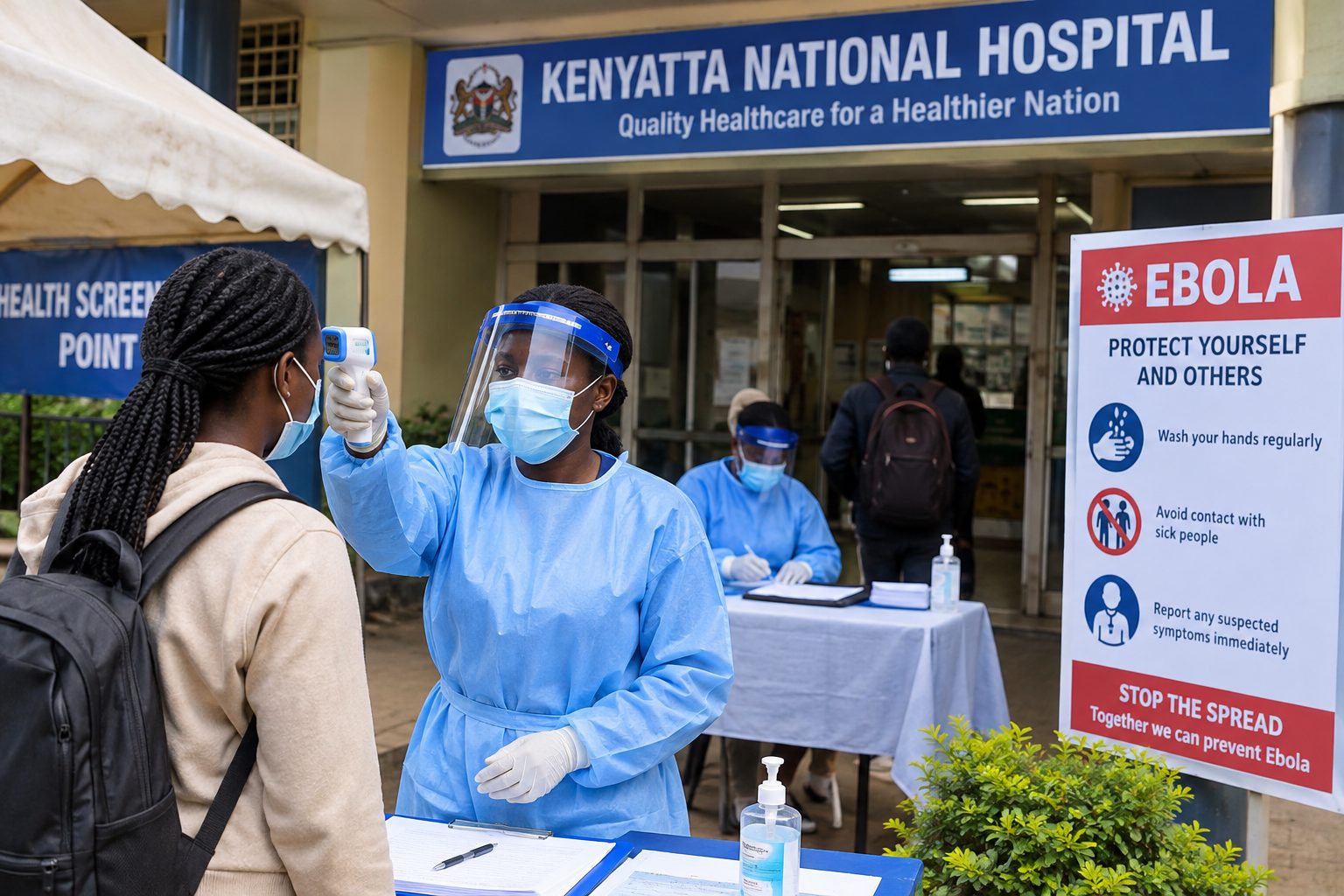
Kenya has introduced strict new Ebola control regulations as health authorities strengthen disease surveillance following confirmed cases of Bundibugyo Ebola virus disease. The rules, published in the Kenya Gazette on October 12, 2026, outline measures for screening, isolation, quarantine and contact tracing.
The regulations have sparked discussion about how governments can protect public health while ensuring that restrictions are clearly explained and fairly enforced.
## The New Rule Drawing the Most Attention
One of the strictest provisions concerns the handling and burial of people who die from Ebola. The regulations prohibit washing and embalming bodies and restrict the repatriation of Ebola victims’ remains outside Kenya. These precautions are intended to reduce the risk of infection during handling and funeral preparations.
The rules also make it an offence to disregard lawful screening, isolation or quarantine requirements without a reasonable excuse. Health authorities can investigate suspected cases, trace contacts and impose restrictions where necessary under the regulations.
However, the measures also emphasise the need for appropriate medical care and essential support for people placed under compulsory isolation or quarantine.
##Why Kenya Is Tightening Surveillance Now
Kenya confirmed its first imported case of Bundibugyo Ebola virus disease on October 6, 2026. The patient was a Kenyan citizen who had been living in the Democratic Republic of Congo and travelled through Uganda before arriving in Nairobi. He later died.
On October 14, the Ministry of Health confirmed a second case involving a close family member of the first patient. The individual was already in quarantine when symptoms developed and was subsequently isolated for treatment. Authorities reported no evidence of wider community transmission at that time.
These developments explain the increased emphasis on Ebola surveillance, contact tracing and quarantine regulations. Monitoring exposed individuals and identifying infections early can help health authorities limit further transmission.
The new legal framework also establishes procedures for screening travellers, reporting suspected infections and coordinating responses between healthcare facilities and public health agencies.
##What Other African Countries Should Understand
Kenya’s response highlights the importance of African public health preparedness and cross-border cooperation. Countries need reliable surveillance systems, trained healthcare workers, laboratory testing capacity and clear procedures for sharing information about possible exposures.
Ebola does not spread simply because someone travels from an affected country. Transmission occurs through direct contact with the blood or other bodily fluids of an infected person, or contaminated materials.
Other African countries can learn from Kenya’s emphasis on early detection, contact monitoring and coordinated public health action. Clear communication is equally important to prevent misinformation and avoid stigmatising people because of their nationality or travel history.
Members of the public should follow official health guidance and seek medical advice if they believe they may have been exposed.
## Balancing Safety With Public Trust
Strict Ebola prevention measures can help protect communities, but their effectiveness depends on public cooperation and trust. Authorities must explain restrictions clearly, enforce them fairly and provide timely updates as the situation develops.
For readers across Africa, Kenya’s experience is a reminder that preparedness and regional cooperation matter when infectious diseases cross borders. The situation calls for vigilance and accurate information, rather than unnecessary panic.
Sources
Version 1.0. 54gist stories are edited before publication and updated as facts change. Spotted an error? Tell our editors.