Kenya: Doomsday Cult Leader Convicted Over 123 Deaths
Kenya: Doomsday Cult Leader Convicted Over 123 Deaths
A Kenyan court has convicted preacher Paul Mackenzie of manslaughter over the deaths of 123 followers, in a ruling linked to the Shakahola Forest tragedy.
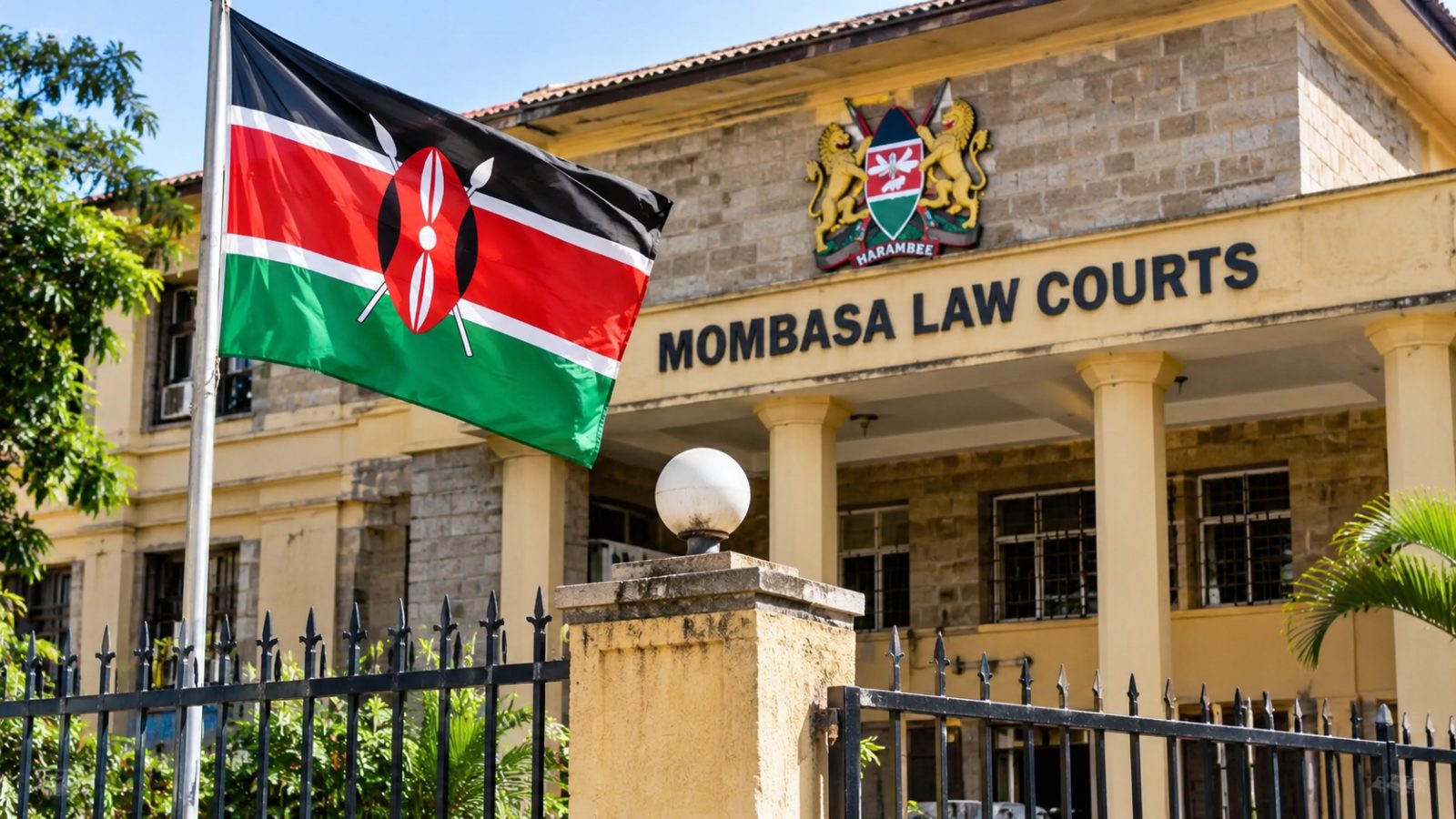
The verdict was delivered on Friday, November 27, 2026, at a court in Mombasa. Mackenzie, founder of the Good News International Church, was found guilty after prosecutors argued that he encouraged followers to fast until they died because they believed this would help them meet Jesus and enter heaven. Twenty-nine other defendants, including Mackenzie’s wife, Rhoda Mumbua Maweu, were also convicted.
The court said Mackenzie directed the fasting programme, decided the order in which followers would die and moved members to secluded places in Shakahola Forest. The ruling followed a trial in which witnesses and other evidence were presented to explain how the group operated and how the deaths occurred.
The case became known in 2023, when authorities began uncovering graves in Shakahola Forest, near the coastal town of Malindi. More than 400 bodies were discovered in the wider investigation. The deaths shocked Kenya and raised serious questions about the church’s activities and the authorities’ response to warnings about the group.
In simple terms, followers were persuaded that refusing food was a religious requirement and a way to prepare for the end of the world. The court found that Mackenzie played a leading role in organising and directing the fast, rather than the deaths being the result of independent personal decisions.
Mackenzie denied the manslaughter charges. His lawyer said the defence intended to appeal after sentencing. The sentence in this case is still to be determined. The conviction comes after Mackenzie was sentenced earlier in November to 200 years in prison for the murder of 191 people, including 190 children and one adult, in a separate case.
The ruling is a development for families who lost relatives. However, many are still waiting for answers about missing loved ones, while some victims have yet to be identified. The court process may continue through sentencing and possible appeals. Prosecutors have also indicated that they intend to challenge the acquittal of 60 defendants.
The Shakahola case has renewed calls for stronger oversight of religious organisations in Kenya. It has also highlighted the need for authorities to respond quickly to reports of abuse and protect people from exploitation, while respecting freedom of worship. For victims’ families, the verdict is a step towards accountability, but it cannot undo their loss.
Version 1.0. 54gist stories are edited before publication and updated as facts change. Spotted an error? Tell our editors.