How Nigeria’s Grassroots Sports Push Aims to Unlock Millions of Jobs
For decades, Nigerian sports conversations have revolved around elite competitions and international trophies. Now, policymakers and business leaders are shifting the spotlight toward a far bigger opportunity: turning co…
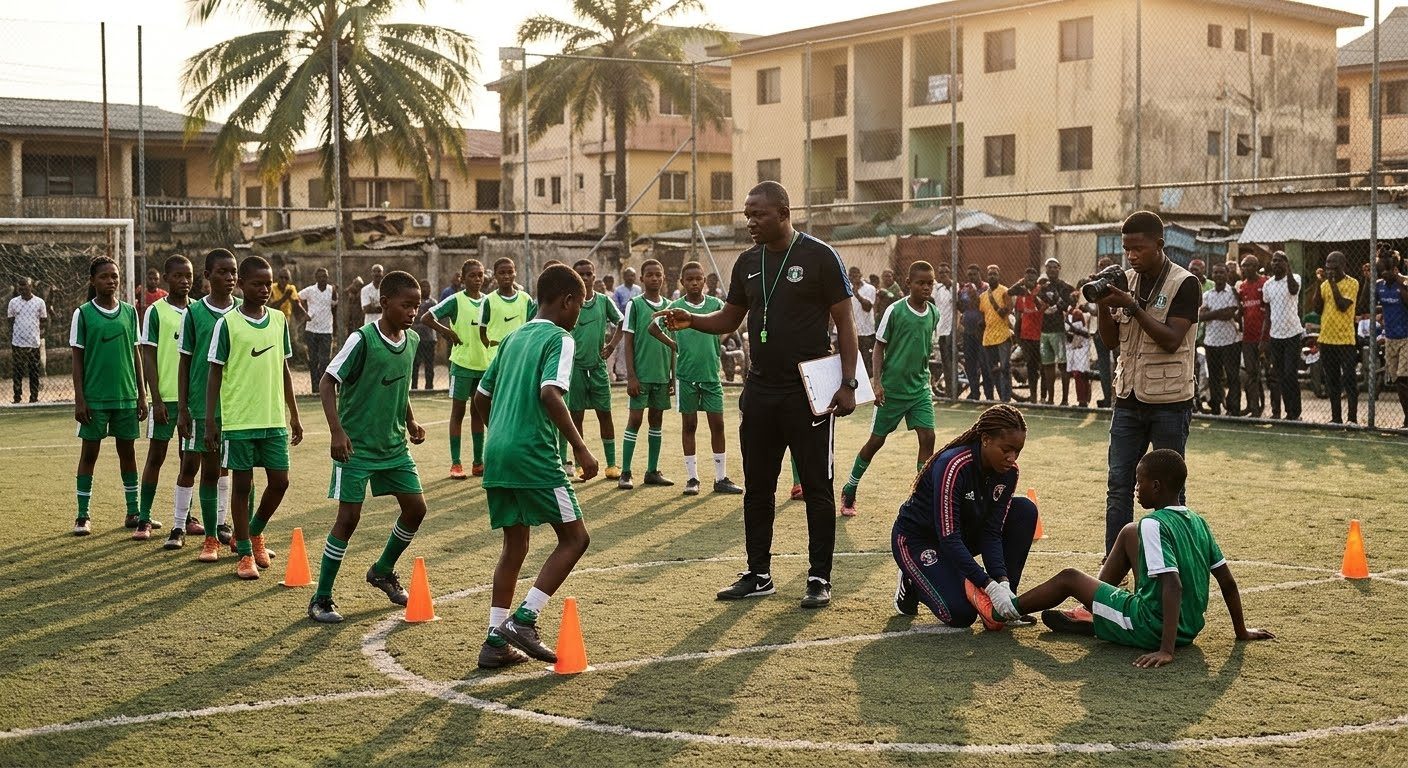
For decades, Nigerian sports conversations have revolved around elite competitions and international trophies. Now, policymakers and business leaders are shifting the spotlight toward a far bigger opportunity: turning community athletics into a sustainable job engine.
At the recent Abuja sports summit, officially the National Grassroots Sports Development Summit, government officials and private sector leaders gathered to rethink how the country views athletics. Convened by the Office of the Senior Special Assistant to the President on Grassroots Sports Development alongside the Nigerian Economic Summit Group, the summit delivered a clear message: Nigeria must look beyond podium finishes and treat local athletics as a serious business sector. According to Punch Sports, the Nigerian Economic Summit Group urged stakeholders to recognise grassroots sports as a direct driver of job creation, youth empowerment, and national economic growth.
When community leagues and school tournaments run consistently, they generate grassroots sports jobs Nigeria can rely on far beyond the athletes competing on the pitch. Every organised match or training academy supports a commercial value chain that puts everyday citizens to work. Certified coaches, referees, and fitness trainers are needed to groom young talent, while physiotherapists and nutritionists keep athletes healthy. Off the field, regular local competitions create steady income for facility managers, kit manufacturers, sports journalists, content creators, event vendors, and transport operators.
However, turning this potential into permanent employment requires deliberate action. Leaders at the Abuja sports summit emphasised that speeches alone will not build a thriving industry. According to the Voice of Nigeria, President Bola Tinubu called for integrating sports into school curricula nationwide, while presidential aide Adeyinka Adeboye advocated expanding structured programs across all 774 local government areas.
To unlock the full sports economy Nigeria needs, three practical steps must follow:
• Predictable calendars. Sports commissions must maintain reliable schedules for school and youth tournaments so businesses and scouts can plan around them.
• Local infrastructure. Governments and private investors need to upgrade community pitches and prioritise locally manufactured sports kits and equipment.
• Private-sector partnerships. Corporate sponsors must view community leagues as profitable marketing platforms rather than mere charity.
If these commitments move from paper to the pitch, the sports economy Nigeria builds will no longer be judged solely by medals won abroad, but by the livelihoods created at home
Sources
Version 1.0. 54gist stories are edited before publication and updated as facts change. Spotted an error? Tell our editors.