Guinea-Bissau vote pushed back to 2028
Guinea-Bissau's military leaders have delayed the presidential and legislative elections that were scheduled for December 6, 2026, by about two years. A decree issued on Thursday, November 26, 2026, by transitional presi…
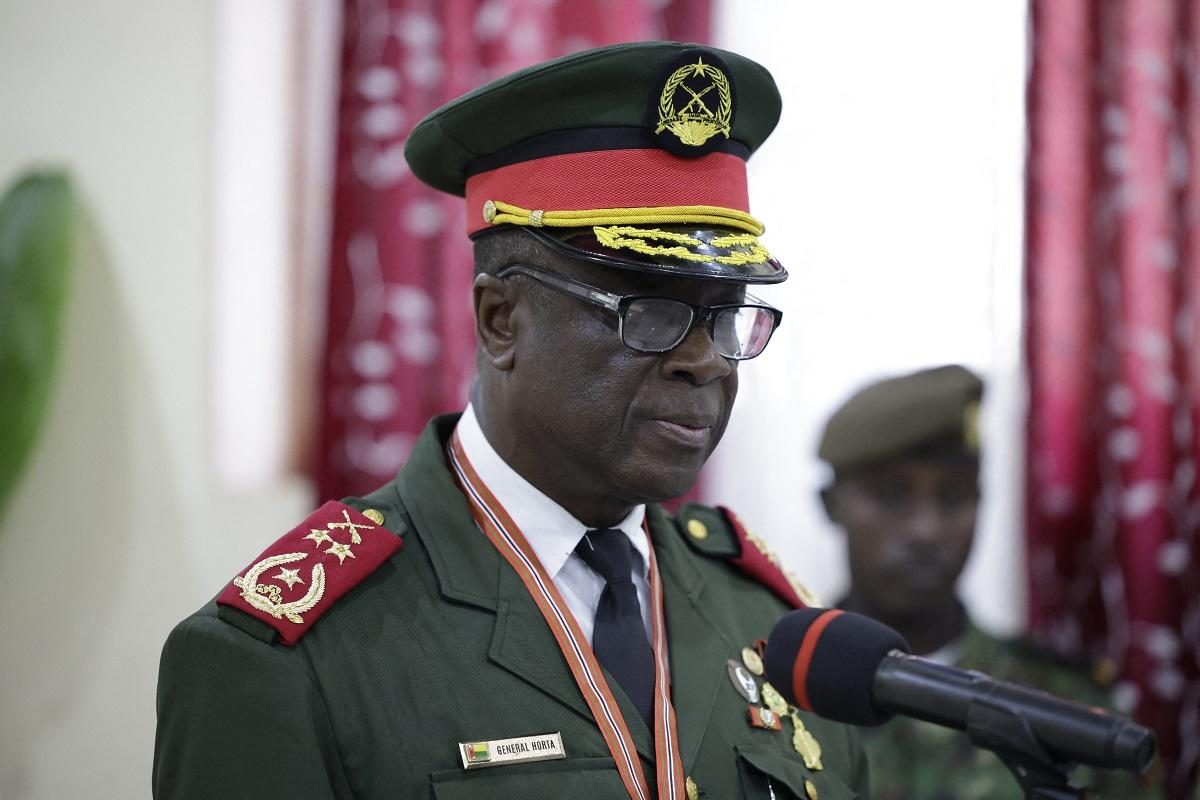
Guinea-Bissau's military leaders have delayed the presidential and legislative elections that were scheduled for December 6, 2026, by about two years.
A decree issued on Thursday, November 26, 2026, by transitional president Major-General Horta Inta-a said the vote will now take place in November 2028. Other reporting of the same decree puts the exact date as November 26, 2028. The announcement came on the first anniversary of the military takeover that interrupted Guinea-Bissau's last election cycle.
The delay means the transition that was supposed to last one year will now last about three years in total if the new date holds. The vote had been presented as the end point of the return to civilian rule. Instead, military-led governance will continue through 2027 and most of 2028.
What officials said was the reason
The official reason given in the decree was a lack of readiness to hold a credible vote.
- The decree cited "an insufficiency of the technical, material and financial conditions" necessary to hold the vote, according to Al Jazeera
- Reuters described the same point as a lack of technical, material and financial requirements to organise a credible vote
- The decree warned, in related coverage, that proceeding without preparation could undermine the transparency, inclusiveness and credibility of the process
The delay did not come without warning. Last month, Prime Minister Ilídio Vieira Té said the necessary conditions were not in place for elections in December, though he did not provide a new timeline at that time. Thursday's decree supplied that timeline.
What the decree did not do was lay out a detailed new roadmap in the initial reporting. It gave a new month and year, but the fuller calendar for voter registration, candidate filing, and campaigning was not spelled out in the reports available at the time of writing.
Why the date matters
The army seized power in November 2025, disrupting a presidential vote and overthrowing incumbent Umaro Sissoco Embalo, who was seeking a new term. Both Embalo and opposition candidate Fernando Dias had claimed victory in that disputed election before official results were announced.
After the coup, former army chief of staff Inta-a was installed as head of the military government and tasked with overseeing a one-year transition period. The transitional charter published in early December barred Inta-a from running for election.
The regional bloc ECOWAS had called for a short, structured and transparent transition back to civilian rule. The new timetable moves in the opposite direction from that call.
In August 2026, voters approved a constitutional change that gives the president more powers and reduces parliament. Other coverage says the new charter also shrinks the National People's Assembly from 102 seats to 65. That change matters because whoever wins in 2028 will take office under different rules than the ones that applied before the coup, with a stronger presidency and a smaller legislature.
What ordinary people may expect during the wait
For ordinary voters, the most direct effect is straightforward: no presidential or legislative vote next month. People who expected to choose a president and a new legislature in December must now wait until November 2028.
During that wait, the reports point to continued rule by the transitional authorities rather than a newly elected civilian government. That means:
- Politics stays in transition: The National Transitional Council system remains in place, and the return to elected civilian leadership is postponed
- Regional pressure continues: ECOWAS has already pressed for a short transition, so the longer timetable is likely to keep Guinea-Bissau under regional scrutiny
- Other votes may come first: Some coverage of the decree mentions the need to organise the country's first municipal elections in 2027 as part of efforts to establish local governance structures
- Uncertainty remains: Guinea-Bissau has a long history of military coups, and Reuters describes the country as a small Portuguese-speaking West African state with that history
The reports do not promise specific improvements in services, jobs, or prices during the delay. The official justification is about election readiness, not about service delivery. For people waiting, that distinction is important. A longer transition does not by itself mean better roads or cheaper food. It means more time under the current arrangement while the authorities say they are preparing for a credible vote.
There is also a question of trust. When a vote is postponed by two years, some voters may wonder whether the new date will hold. The reports do not answer that question. They only record what the decree says and what officials have said about conditions on the ground.
What happens next
Based on the report details, the next steps to watch are whether the transitional authorities publish a fuller election calendar, how ECOWAS responds to the November 2028 date, and whether the planned 2027 municipal elections go ahead.
If the municipal elections happen, they could give voters a chance to participate in a smaller vote before the big presidential and legislative vote. If they are also delayed, that would be another signal about how the transition is going.
If the November 26, 2028 date holds, Guinea-Bissau will have spent about three years under military-led transition since the November 2025 coup. If it slips again, the return to civilian rule will move even further away.
Version 1.0. 54gist stories are edited before publication and updated as facts change. Spotted an error? Tell our editors.