Guinea-Bissau's Military Junta Delays Return to Civilian Rule Until 2028, Raising Fresh Concerns
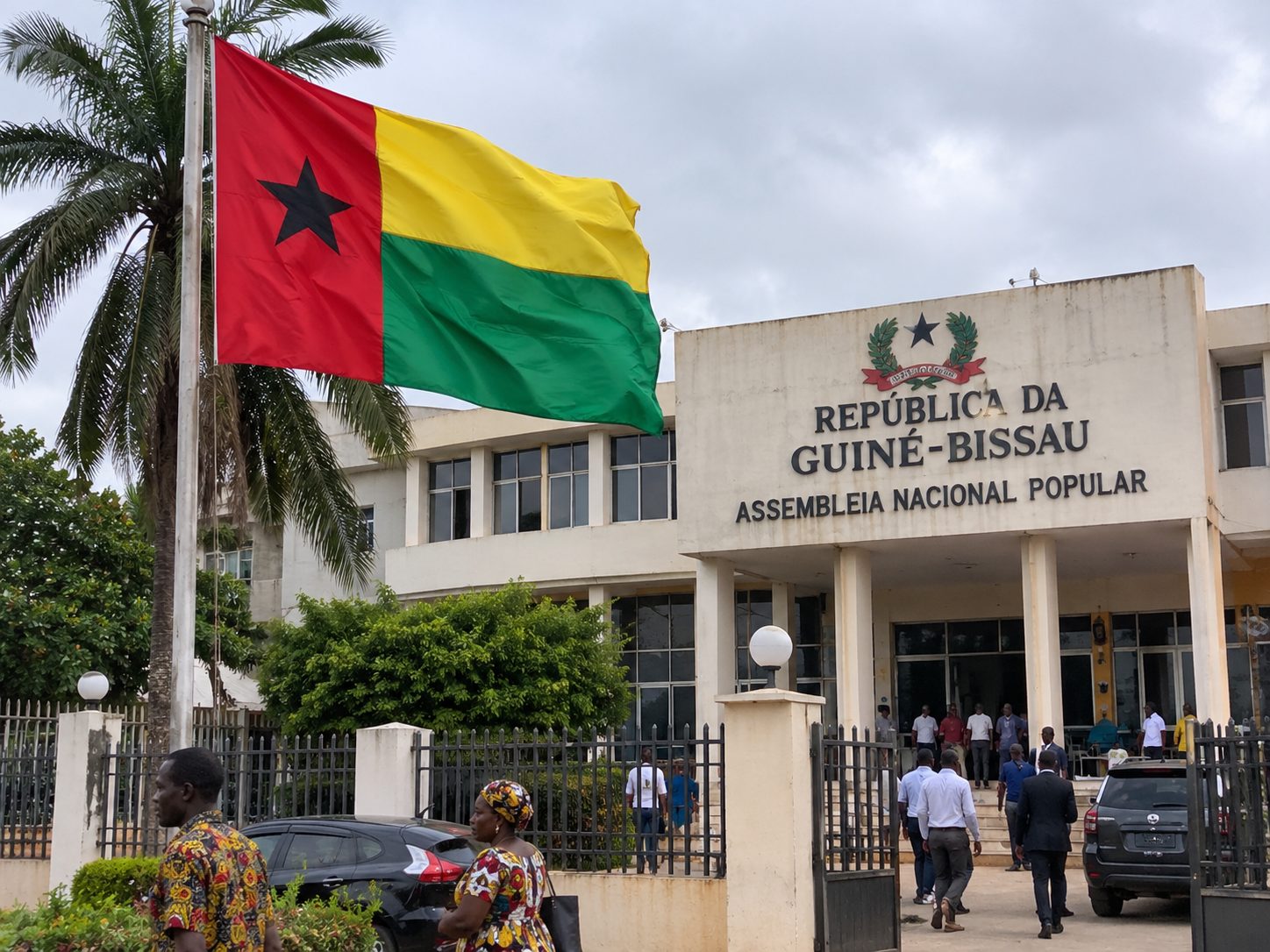
Guinea-Bissau is facing another period of political uncertainty after its military leadership announced a two-year delay in the country's planned return to civilian government. The decision means presidential and parliamentary elections originally scheduled for December 6, 2026, will now take place on November 26, 2028.
The announcement was made by Transitional President General Horta N'Tam through a decree issued on Thursday, November 26, 2026. The development comes exactly one year after the military seized power, overthrowing former President Umaro Sissoco Embaló.
What Does the Delay Mean?
In simple terms, the postponement means citizens of Guinea-Bissau will have to wait another two years before having the opportunity to elect their national leaders through presidential and parliamentary elections.
The military originally promised to restore civilian government within 12 months of taking power. However, the latest announcement extends military-led administration beyond that initial commitment.
For ordinary citizens, this means continued uncertainty about when elected representatives will return to government and when normal democratic institutions will be fully restored.
What Do the Reports Say?
According to reports by BBC and Punch, the military government explained that the country currently lacks sufficient technical, material and financial resources to organise credible elections.
The authorities argued that additional preparation time would help ensure that future elections are transparent, inclusive and fair to all participating candidates.
Punch also reported that the government reaffirmed its commitment to organising Guinea-Bissau's first-ever local government elections, although no specific date was announced.
The political crisis began in November 2025, when the military took control three days after presidential and parliamentary elections. The takeover interrupted the electoral process before official results could be announced.
Both Embaló and his main challenger, Fernando Dias, had claimed victory in the disputed election.
What Could Happen Next?
The postponement could generate frustration among citizens who expected a return to democratic government within the originally promised timeframe.
Opposition groups and supporters of democratic governance may demand greater transparency from the military authorities. There could also be increased pressure from regional organisations, particularly the Economic Community of West African States (ECOWAS), to ensure a credible transition.
Why Should Ordinary People Care?
Beyond political arguments, this development could affect everyday life. Political uncertainty can discourage investors, delay economic opportunities and weaken public confidence in government institutions.
Small business owners, workers, students and families all depend on political stability to plan their futures. Without clear democratic timelines, many citizens may become increasingly concerned about employment opportunities, economic development and their country's direction.
Ultimately, the important question is whether the additional two years will genuinely prepare Guinea-Bissau for credible elections or simply extend military control.
The international community and citizens will be watching closely as the country approaches its proposed November 2028 election date.
Sources
Version 1.0. 54gist stories are edited before publication and updated as facts change. Spotted an error? Tell our editors.