Ghana’s Court System Faces Disruption as Judicial Staff Strike Raises Concerns Among Legal Groups
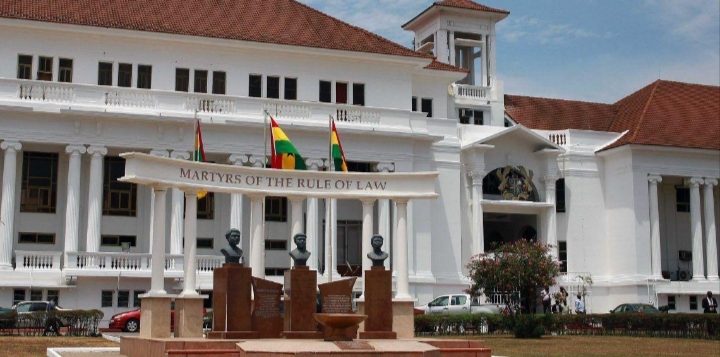
Ghana’s justice delivery system recently experienced significant disruption following an industrial strike by judicial service workers, raising concerns among lawyers, court users and members of the public. The strike brought court activities to a standstill in several parts of the country and highlighted the important role that administrative and support staff play in the effective operation of the judiciary.
Although the strike has since been suspended, its impact has drawn attention to the need for improved working conditions and uninterrupted access to justice.
##: Who Was on Strike?
The industrial action involved two major groups: the Judicial Service Staff Association of Ghana (JUSAG) and the Senior Staff Association of the Judicial Service of Ghana (SSAJUG).
The two associations began their nationwide indefinite strike on November 2, 2026. Their main concerns centred on delays in approving revised salaries and allowances for judicial service employees, including outstanding salary-related payments covering a ten-month period.
The workers argued that their concerns needed urgent attention and that improved conditions were necessary to support their welfare and the effective delivery of judicial services.
It is important to note that the industrial action involved judicial service staff, not a general strike by judges or lawyers.
##: What Services Were Affected?
The strike affected court operations across Ghana, disrupting the normal administration of justice.
Court registries were affected, while hearings and other judicial activities were suspended or delayed in several locations. People with pending cases experienced uncertainty about when their matters would be heard.
The disruption also raised serious concerns for individuals awaiting bail decisions, accused persons in custody, families seeking child custody or maintenance orders, and people requiring urgent legal protection.
Lawyers and litigants also faced difficulties accessing court services. For many ordinary citizens, these delays meant additional expenses, wasted time and uncertainty about their legal matters.
The situation demonstrated how important administrative and support workers are to the daily functioning of the judicial system.
##: What Are Legal Groups and the Public Saying?
The Ghana Law Society expressed serious concern about the industrial action in a press release dated November 9, 2026.
The Society acknowledged the right of workers to pursue legitimate labour concerns through lawful industrial action. However, it warned that prolonged disruption of court services could cause considerable hardship for litigants, accused persons, lawyers, businesses and the general public.
It particularly highlighted the situation of vulnerable individuals, including people in custody, parents seeking family-related court orders and people waiting for urgent decisions involving their fundamental rights.
The Ghana Law Society called on the government, relevant ministries, the Judicial Service and the two staff associations to return to constructive negotiations and find a lasting solution.
Members of the public who depend on the courts were also affected by the uncertainty and delays. The Judicial Service subsequently apologised to court users, the legal profession and other stakeholders for the inconvenience caused.
##: Strike Suspended as Courts Resume Operations
There was a positive development on November 9, when JUSAG and SSAJUG announced the suspension of their industrial action following discussions with the government and Judicial Service management.
The decision followed the receipt of revised government commitments concerning the outstanding salary and allowance issues.
The Judicial Service confirmed that normal court sittings would resume nationwide on Tuesday, November 10, 2026.
The development brought relief to lawyers, litigants and other individuals whose legal matters had been affected by the strike.
However, the suspension also highlights the importance of addressing workers' concerns before they develop into disruptions that affect essential public services.
Version 1.0. 54gist stories are edited before publication and updated as facts change. Spotted an error? Tell our editors.