**Ghana’s Compassion Business Challenge Gives 15 Youth Startups GH¢210,000**
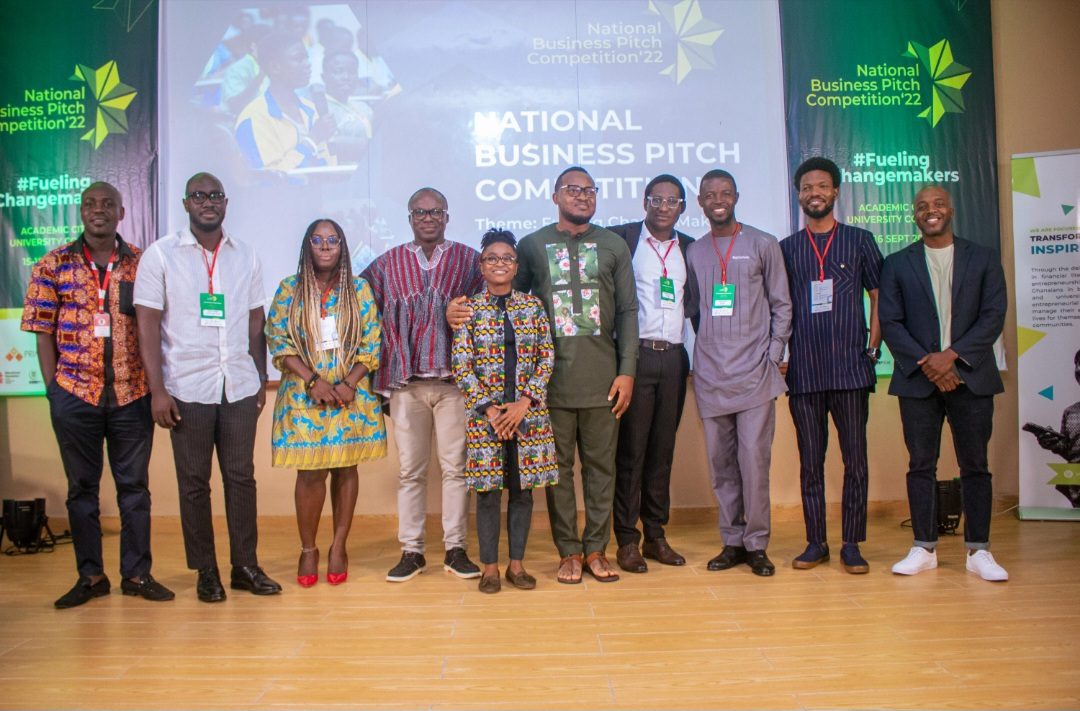
Fifteen young entrepreneurs in Ghana are receiving a combined GH¢210,000 in seed funding after emerging as finalists in the second edition of the Compassion Business Challenge. But the programme is going beyond handing out money, with training, business mentorship and monitoring designed to help the young founders turn their ideas into sustainable businesses.
The challenge is part of a wider effort to tackle the difficulty many young people face in finding employment by supporting them to build businesses that can create income and potentially provide jobs for others.
##How the GH¢210,000 Was Shared
The funding was divided among the 15 finalists according to their position in the competition.
Emmanuel Sabi of Sabi Bottles, who emerged as the overall winner, received GH¢40,000. The first runner-up received GH¢30,000, while the second runner-up received GH¢20,000.
##The remaining 12 finalists each received GH¢10,000 to support their ventures.
That means the breakdown is straightforward: GH¢40,000 for the winner, GH¢30,000 for the first runner-up, GH¢20,000 for the second runner-up and GH¢120,000 shared equally among the other 12 finalists. Together, the awards make up the Compassion Business Challenge GH¢210,000 seed funding package.
The money is intended to give the young businesses financial support as they move from ideas and early-stage operations towards growth.
##Support Continues Beyond the Pitch
The competition did not begin with the final pitching event. About 70 young people applied for the second cohort, while more than 60 went through training, capacity building, internships and coaching before 15 finalists were selected to pitch.
Organisers say mentorship is an important part of the programme because startup funding alone may not solve the problems that young business owners encounter.
Rashidatu Iddrisah, Manager of Program Support at Compassion International Ghana, said participants would be paired with experienced entrepreneurs who could guide them through challenges commonly faced by startups. The Ghana Enterprises Agency will also work with the organisers to periodically visit participants’ business centres and monitor their progress.
This means the programme is designed to remain involved after the winners receive their cheques, with mentorship and monitoring helping participants make better decisions as their businesses develop.
##Tackling Ghana’s Youth Jobs Problem
At the centre of the challenge is a much bigger issue than individual business success: youth unemployment.
LeadAfrique International Co-Founder Letitia Ohene-Effah pointed to the large number of young people who are outside both education and employment, arguing that practical skills can help young people contribute more effectively to the economy.
That makes youth startups Ghana a particularly important part of the conversation. For young entrepreneurs, access to capital can help them buy equipment, develop products or expand operations. However, the organisers are also placing emphasis on skills and guidance so that businesses have a better chance of surviving beyond their initial funding.
The approach therefore combines seed funding and mentorship rather than treating the cash award as the end of the process.
For the 15 winners, the next stage will be about putting the funding and lessons from the programme into practice. If the businesses grow, the benefits could extend beyond the founders themselves by creating new opportunities for other young people seeking work in Ghana.
Version 1.0. 54gist stories are edited before publication and updated as facts change. Spotted an error? Tell our editors.