Cameroon Cholera Outbreak Exceeds 3,000 Cases as Health Authorities Intensify Response
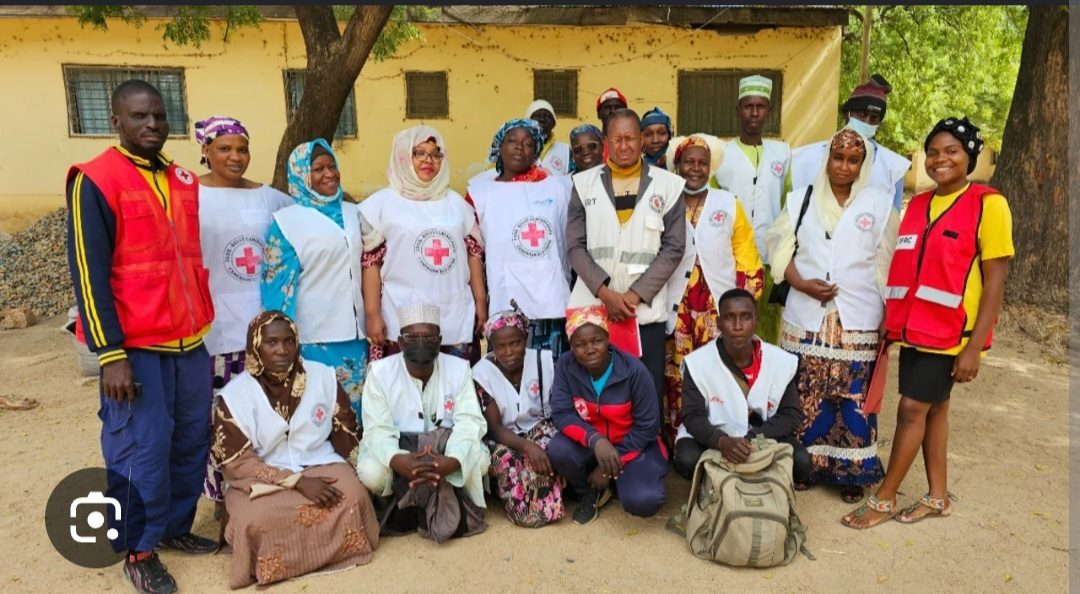
Cameroon is facing a serious cholera outbreak that has infected more than 3,000 people, raising concerns about access to clean drinking water, poor sanitation and the capacity of healthcare facilities to contain the disease.
The outbreak, which initially spread through the country's northern communities, has continued to affect vulnerable populations, prompting health authorities and humanitarian organisations to strengthen surveillance, treatment and prevention efforts.
- Latest Reported Cases and Deaths
According to the World Health Organization (WHO), Cameroon recorded 3,018 cholera cases and 90 deaths between January and September 27, 2026.
The situation had already crossed the 1,000-case mark by August, when more than 1,000 infections and 28 deaths were reported.
Although September recorded a 53% reduction in new cases compared with August, the outbreak remained active, demonstrating that the disease had not been fully contained.
A subsequent UNICEF humanitarian update reported that the figures had increased to 3,090 cases and 92 deaths as of October 23, 2026.
- Areas Most Affected The outbreak has been concentrated mainly in Cameroon's northern regions, particularly the Far North Region.
According to UNICEF's October update:
Far North Region: 3,032 cases and 85 deaths.
North Region: 58 cases and 7 deaths.
Several health districts have reported infections, with communities facing challenges accessing safe drinking water and adequate sanitation.
Earlier reports identified Fotokol, Mada, Makary, Mora and Kolofata among the affected districts.
The geographical spread has also raised concerns about cross-border transmission, particularly because population movements between neighbouring communities can accelerate the spread of infection.
- Why Clean Water and a Rapid Response Matter
Cholera is an acute diarrhoeal disease caused by consuming food or water contaminated with the bacterium Vibrio cholerae.
It can cause severe diarrhoea, vomiting and dangerous dehydration. Without prompt treatment, severe cases can become life-threatening within hours.
Access to clean water is therefore one of the most important measures for controlling the outbreak.
Key interventions include:
Safe drinking water:
Providing treated water and ensuring that communities have access to reliable water sources.
Improved sanitation: Preventing open defecation and ensuring proper disposal of human waste.
Public awareness: Educating residents about handwashing, food hygiene and safe water storage.
Early treatment: Ensuring that infected individuals receive oral rehydration solutions and intravenous fluids when necessary.
Rapid surveillance: Identifying new infections early and preventing further transmission.
The response also includes oral cholera vaccination campaigns.
UNICEF reported that vaccination activities between August and September reached more than 1.9 million people across priority health districts, strengthening protection in vulnerable communities.
Conclusion
Cameroon's cholera outbreak highlights the continuing public health challenges associated with unsafe water, inadequate sanitation and limited access to essential healthcare services.
Although reported infections have declined from their peak, the deaths recorded demonstrate that the threat remains significant.
Sustained government intervention, international support, community awareness and improved access to clean water will be essential to preventing further infections.
Ultimately, controlling cholera requires more than treating infected patients. It requires addressing the environmental conditions that allow the disease to spread in the first place.
Version 1.0. 54gist stories are edited before publication and updated as facts change. Spotted an error? Tell our editors.