Bayern-Ajax Nairobi Match Sparks Debate Over Costs and Economic Benefits.
Bayern-Ajax Nairobi Game Stirs Money Questions Ahead of Historic Match
The planned meeting between German football giants Bayern Munich and Dutch side Ajax Amsterdam in Nairobi has generated excitement among football supporters while raising important questions about public spending, economic value and Kenya’s readiness to host major international sporting events.
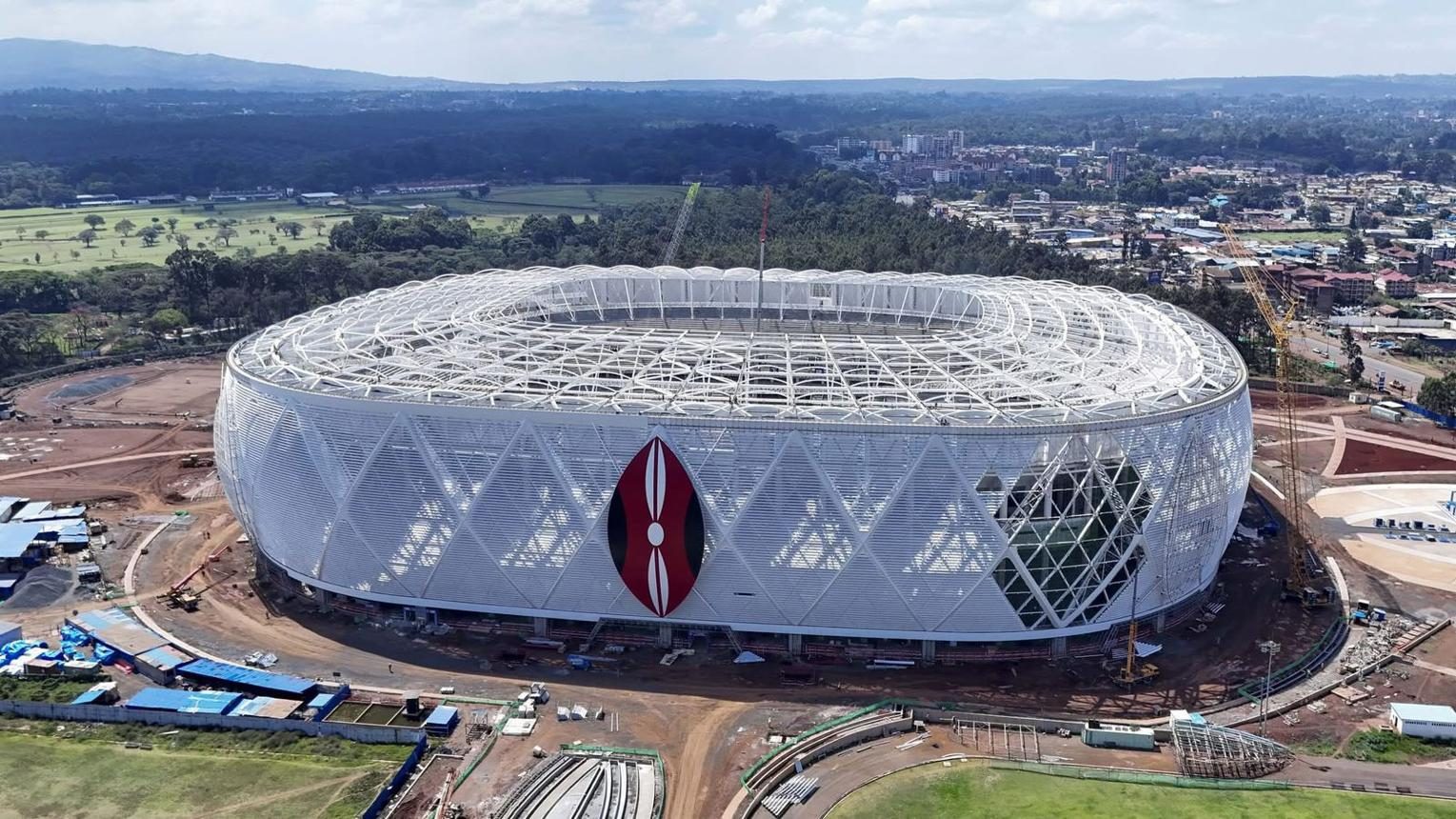
The two European clubs are scheduled to face each other on January 5, 2027, in the opening match of the newly constructed Raila Odinga International Stadium, formerly known as Talanta Stadium. The 60,000-seat facility is located at Talanta Sports City along Ngong Road in Nairobi.
President William Ruto announced the fixture on October 28, describing it as a landmark moment for Kenyan sport. The match is expected to introduce the stadium to international audiences and form part of the country’s preparations for the 2027 Africa Cup of Nations, which Kenya will co-host with Uganda and Tanzania.
However, while the prospect of watching two internationally recognised clubs play in Nairobi has attracted attention, the financial implications of organising the event have become a major subject of public discussion.
Why the Bayern-Ajax match matters
For Kenyan football supporters, the fixture offers an opportunity to watch two historic European clubs play on home soil without travelling abroad.
Bayern Munich are among Germany’s most successful football teams, while Ajax Amsterdam have a long history of developing talented players and competing at the highest level of European football.
Their combined international reputation could attract football supporters from across Kenya and neighbouring countries. It may also create opportunities for local businesses, including hotels, restaurants, transport operators, vendors and tourism companies.
The match is particularly significant because it will officially open the Raila Odinga International Stadium, a facility intended to become one of Kenya’s major sporting venues.
The stadium is expected to play an important role in the country’s preparations for the 2027 Africa Cup of Nations. Hosting a high-profile international fixture before the continental tournament could help organisers assess the venue’s facilities, security arrangements, crowd management and overall event operations.
According to Kenya’s Principal Secretary for Sports, Elijah Mwangi, the game will provide an opportunity to demonstrate the country’s sporting infrastructure and promote Kenya internationally.
The presence of Bayern Munich and Ajax could also attract international media coverage, giving Nairobi an opportunity to showcase its ability to host major sporting events.
For the organisers, the fixture is therefore more than a friendly match. It is also an opportunity to promote Kenya as a destination for international football, tourism and sporting investment.
Questions surrounding the cost of hosting the clubs
Despite the excitement, the financial side of the event has become a major source of concern.
Hosting two European football clubs involves several expenses, including appearance fees, international travel, accommodation, insurance, security, transportation, training facilities and matchday operations.
A Daily Nation analysis published on November 2 estimated that the event could cost approximately Sh1 billion. The reported estimate includes appearance fees and other logistical expenses, although a detailed official breakdown of the total cost has not been publicly established.
There have also been reports that Bayern Munich could receive an appearance fee of €5 million, estimated at approximately Sh724 million. However, the reported figure has not been independently confirmed as an official payment.
This uncertainty has contributed to questions about who will finance the event and whether the expected commercial returns will justify the expenditure.
President Ruto has said the match will be delivered through corporate partnerships and a commercially sustainable model. The intention is to attract private investment and reduce the financial burden on the government.
However, some Kenyans want more information about the sponsorship arrangements, the identities of the companies involved and whether public resources will be used to support the event.
The debate has become more serious following a court petition filed by six Kenyans seeking to stop the government from committing public funds to the match without proper disclosure of the financial arrangements.
The petitioners are asking for information about sponsorship agreements, appearance fees, government guarantees, security costs and any other public resources that may be committed to the event.
They argue that describing the match as privately sponsored does not automatically establish that taxpayers will have no financial obligations.
The court has not determined the petition or granted the orders sought. The case nevertheless highlights the public demand for transparency over the financing of a major sporting event.
What ordinary Kenyans stand to gain or lose
For ordinary football supporters, the most immediate benefit could be the opportunity to watch world-famous players compete in Nairobi.
The event could also create temporary employment opportunities for people working in hospitality, transportation, event management, catering, security and other support services.
Hotels and restaurants may benefit from increased demand if the match attracts international visitors. Local businesses around the stadium could also experience increased activity before and during the event.
Kenya’s tourism sector may gain from international publicity, particularly if visitors use the opportunity to explore other destinations in the country.
However, these benefits are not guaranteed simply because two famous clubs are visiting.
The real value of the event will depend on how well it is organised, how much money it generates and whether local businesses and communities are able to participate in the opportunities it creates.
Ticket affordability is another important issue for local supporters. If tickets are priced beyond the reach of many ordinary fans, the people who have followed football for years may find themselves excluded from an event taking place in their own country.
There are also questions about how much attention will be given to local football. Some supporters believe that major international matches should create opportunities for Kenyan clubs and players rather than concentrating attention mainly on visiting European teams.
For these supporters, the success of the event should not be measured only by the number of international stars who arrive in Nairobi. It should also be measured by what the match contributes to the development of Kenyan football.
A test of Kenya’s sporting readiness
The January fixture will also provide an important opportunity to assess the country’s readiness for the 2027 Africa Cup of Nations.
Kenya is preparing to co-host the tournament with Uganda and Tanzania, meaning that the country must demonstrate its ability to manage international football events to the required standards.
The Raila Odinga International Stadium is expected to become a major venue for the competition. Its facilities, playing surface, technology, security systems and crowd-management arrangements will therefore attract attention.
Citizen Digital reported that the Bayern-Ajax encounter would provide a practical test of Kenya’s infrastructure and event organisation ahead of the continental tournament.
The stadium features facilities including video assistant referee technology, goal-line technology and hospitality areas. Its performance during the opening match could offer useful lessons for organisers preparing for larger international competitions.
However, the success of one match will not automatically guarantee that every requirement for hosting AFCON will be met. Continued preparation, maintenance, operational testing and coordination among the relevant authorities will remain necessary.
What fans and organisers hope the match will deliver
Organisers and supporters hoping for a successful event want the fixture to create benefits that continue long after the final whistle.
For Bayern Munich, the trip is an opportunity to strengthen its relationship with supporters across Africa and expand its international presence. Ajax also has an opportunity to connect with a wider African audience through the fixture.
For Kenya, the match could strengthen the country’s reputation as a destination capable of hosting major international sporting events.
The wider ambition is to attract future competitions, encourage investment in sports infrastructure and create more opportunities for young people interested in football and other sporting activities.
However, these ambitions will require more than a successful opening ceremony. The stadium must remain accessible, properly maintained and useful to local athletes, clubs and sporting organisations.
The government and event organisers will also face expectations to provide clear information about the financing of the match and demonstrate how the event will benefit the public.
As the January 5 date approaches, the conversation surrounding Bayern Munich and Ajax in Nairobi is likely to continue.
For football fans, the excitement is understandable: two major European clubs are coming to Kenya. But for taxpayers and ordinary citizens, the bigger question remains whether the spectacle will translate into lasting sporting and economic value.
Ultimately, the success of the match will not be determined only by the result on the pitch. It will also depend on whether Kenya can turn the international attention into meaningful opportunities for its people and the future of local football.
Version 1.0. 54gist stories are edited before publication and updated as facts change. Spotted an error? Tell our editors.