**ANC Suffers Worst Local Election Result in South Africa**
ANC Suffers Worst Local Election Result in South Africa South Africa’s African National Congress (ANC) has recorded its worst election result since apartheid, receiving 31% of the vote in the November 4 local government…
ANC Suffers Worst Local Election Result in South Africa
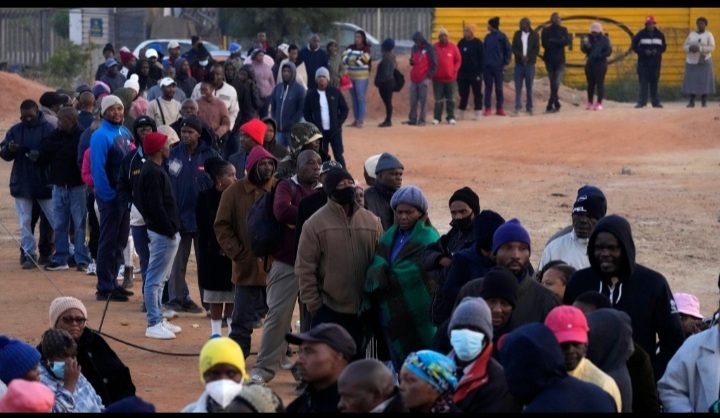
South Africa’s African National Congress (ANC) has recorded its worst election result since apartheid, receiving 31% of the vote in the November 4 local government elections.
Official results announced Sunday showed the ANC remained the largest party, but its support fell from 45% in the 2021 local elections. The Democratic Alliance (DA), the main opposition party, received 25%, while the uMkhonto weSizwe (MK) Party, led by former President Jacob Zuma, won about 10%.
The result marks another setback for a party that has governed South Africa since Nelson Mandela led it to power in 1994. The ANC once received around 70% of the vote. Its support has declined for more than a decade, and it lost its parliamentary majority for the first time in the 2024 national election.
##Why are voters unhappy?
A major reason for the decline is frustration with basic public services. Many communities experience regular water and electricity outages. Residents also face damaged roads, broken streetlights and rubbish that is not collected. These problems affect daily life and have weakened confidence in local authorities.
Anger over corruption scandals linked to the ANC has added to public dissatisfaction. For many voters, the election was an opportunity to express disappointment with local government performance. The vote involved choosing councillors responsible for managing cities, districts and municipalities.
The ANC also lost its position as the largest party to the DA in Johannesburg, Pretoria and Ekurhuleni. The DA retained control of Cape Town, South Africa’s second-largest city.
##What happens next?
The results are likely to lead to difficult negotiations between political parties. No party won an outright majority in most cities, leaving several councils “hung”. This means parties must negotiate coalition agreements and share power to form local governments.
The ANC may still join some governing coalitions, despite its reduced support. Smaller parties could also become important because their seats may help larger parties secure a majority.
The result does not mean the ANC has lost power nationally, but it shows voters are increasingly willing to support other parties. It also puts pressure on the ANC to address concerns about services and corruption before the next national election, scheduled for 2029.
For South Africans, the question is whether coalitions can improve the services residents depend on every day. For the ANC, rebuilding public trust will require more than campaign promises; voters will be watching for improvements in their communities.
Version 1.0. 54gist stories are edited before publication and updated as facts change. Spotted an error? Tell our editors.