Africa’s Electric Vehicle Revolution: Why Motorbikes and Three-Wheelers Are Leading the Way
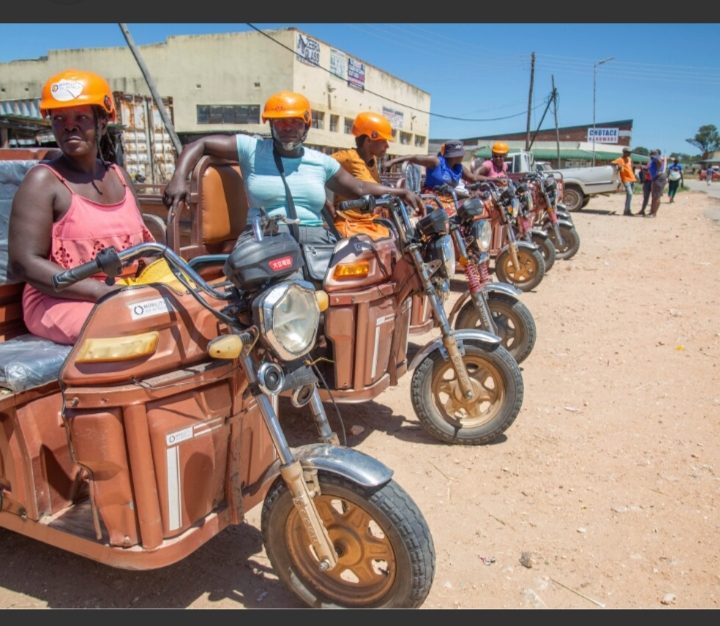
Africa is taking a different route towards electric transportation.
Instead of starting with expensive electric cars, many African countries are embracing electric motorcycles and three-wheelers.
According to a recent report by the Associated Press (AP), Zimbabwe is becoming a strong example of how small electric vehicles can transform transportation, farming and rural businesses.
- Why Two and Three Wheels Fit Africa
Electric motorcycles and three-wheelers are suitable for African communities for several reasons:
Affordable transportation: They are generally cheaper to operate than cars.
Easy movement: They can navigate narrow rural roads, busy streets and difficult terrain.
Less charging infrastructure: They require less energy and simpler charging facilities than electric cars.
Business opportunities: They can be used for transporting passengers, delivering goods and supporting small businesses.
Cleaner environment: They produce no exhaust fumes while driving, helping to reduce air pollution.
These advantages make them practical for both rural and urban communities.
- How Riders and Farmers Use Them
- Electric two-wheelers and three-wheelers are becoming important tools for everyday economic activities.
For motorcycle riders:
Transporting passengers from one location to another.
Delivering food, packages and other goods.
Providing affordable transport services.
Reducing daily spending on petrol.
For farmers:
Transporting farm produce such as tomatoes, vegetables and cabbages to markets.
Carrying farm equipment and agricultural supplies.
Taking harvested crops to schools, shops and other customers.
Transporting people to hospitals and other essential services.
Zimbabwe provides a good example.
Through Mobility for Africa, farmers use solar-powered electric tricycles called Hamba.
One farmer, Agefi Mutambo, can now transport about 300 kilograms of produce per trip, compared with carrying a small bucket of tomatoes on her head before obtaining the vehicle.
This has improved her income and helped her support her family.
- What This Means for Transport Costs The introduction of electric motorcycles and three-wheelers could significantly reduce transportation expenses in Africa.
Some major benefits include:
Reduced fuel expenses: Electric vehicles use rechargeable batteries instead of petrol.
Lower maintenance costs: They generally have fewer moving parts than petrol-powered vehicles.
Affordable daily operations: Riders can spend less money keeping their vehicles on the road.
Increased income: Farmers and commercial riders can save money and make more deliveries.
Better access to markets: Farmers can transport their produce faster, reducing spoilage and losses.
The AP report notes that electric three-wheeler operators in Mombasa, Kenya, could save approximately $4–$10 daily in running costs compared with petrol-powered alternatives.
However, the initial purchase price, battery replacement and availability of charging facilities remain important challenges.
Conclusion
Africa's electric vehicle revolution is not just about modern technology; it is about improving people's livelihoods.
Electric motorcycles and three-wheelers offer opportunities for cheaper transportation, stronger rural businesses, improved agricultural activities and environmental protection.
Zimbabwe demonstrates that when affordable technology meets the needs of ordinary people, it can transform entire communities.
The future of African transportation may not begin with expensive electric cars.
It may begin with two wheels and three wheels.
Version 1.0. 54gist stories are edited before publication and updated as facts change. Spotted an error? Tell our editors.